
BeBerry Coffee
Colombia El Indio
Colombia El Indio is a Colombia, dry, Caturra coffee from BeBerry Coffee.
In stock since:
Colombia El Indio
Colombia El Indio is a Colombia, dry, Caturra coffee from BeBerry Coffee.
In stock since:
Similar coffees to this Colombia dry Caturra


El Pedregal - Colombian Microlot - 300g
Nariño, Colombia Washed Caturra
Thom Bargen
$28.00
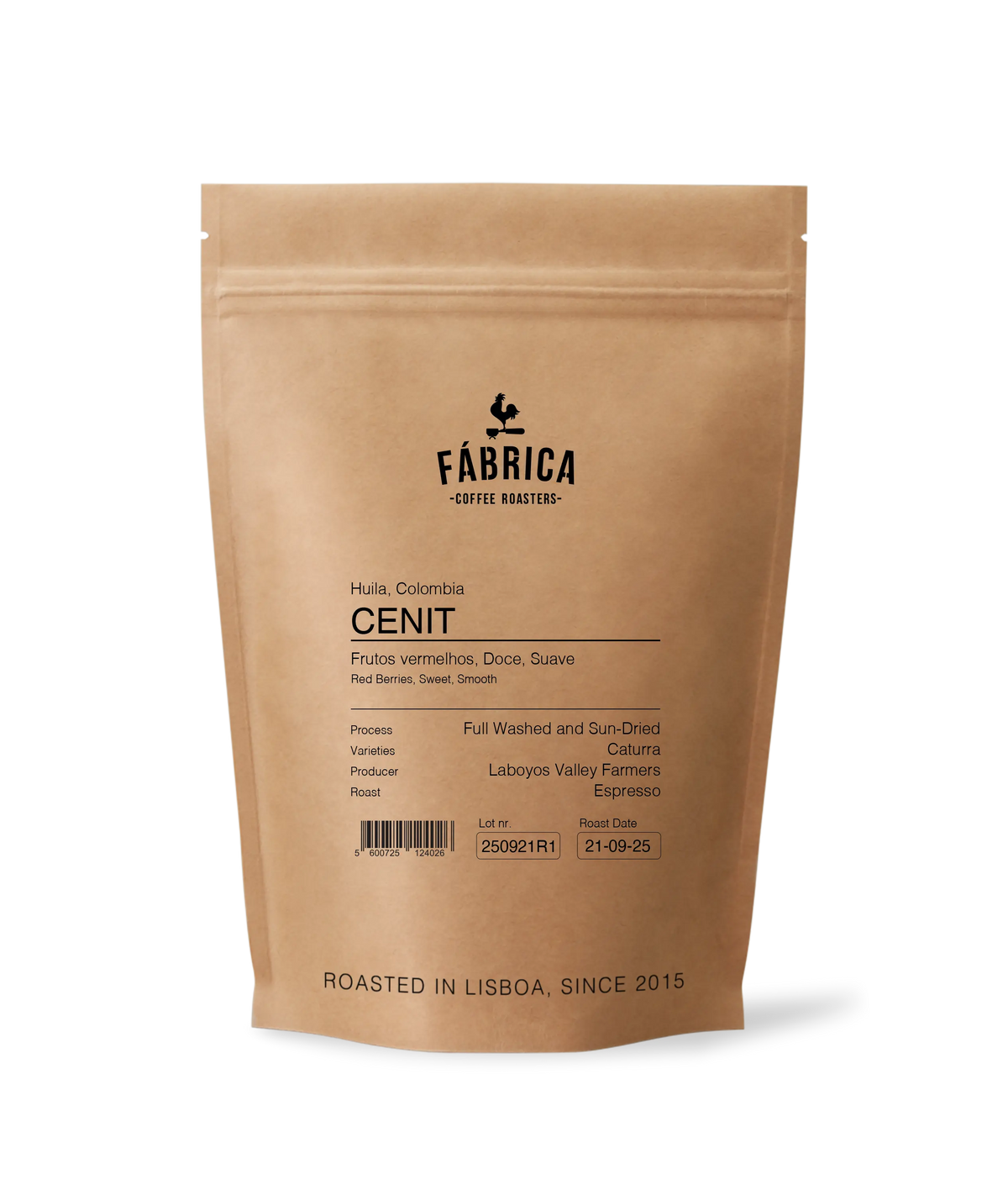
Cenit
Huila, Colombia Fully Washed and Sun-Dried Caturra
Fábrica Coffee Roasters
$16.95
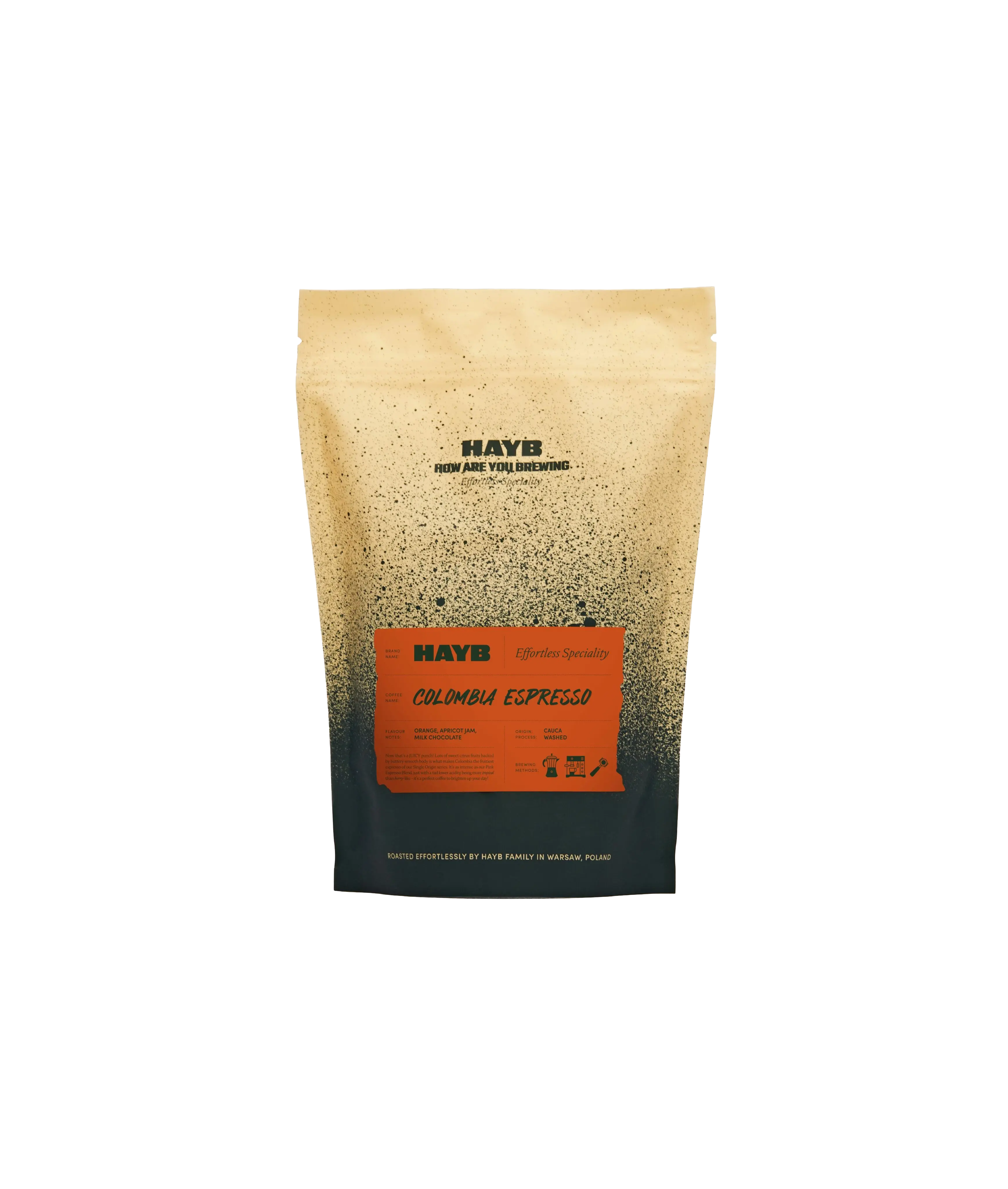

Colombia Espresso
Colombia - Cauca Washed Caturra, Castillo, Typica
HAYB
$9.08


Colombia Popayan - Espresso
Colombia
Lucid Coffee Roasters
$19.89
Description
This tropical and complex coffee comes from several farmers – our partners in the Nariño region, where around 175 coffee-growing families are members of local growers’ associations. It is a naturally processed Caturra variety sourced from several small farms. The espresso from this batch is incredibly complex, with tropical notes, a wine-like character and a pleasantly creamy body complemented by chocolatey sweetness. Not only is it a superb espresso, but it is probably one of the most delicious coffees for milk-based drinks, lending them a distinctive character of dried fruit. We hope you enjoy this collaborative effort as much as we do. The Tolima region, one of Colombia’s most famous coffee-growing areas, regularly ranks among the top places in the Cup of Excellence and other competitions organised by the Colombian Coffee Federation. To ensure the highest quality, the harvested coffee is carefully dried on raised beds or concrete terraces under the supervision of the quality control team. This process guarantees even drying and ensures the beans reach an ideal moisture content of 11 per cent. The Caturra variety is a natural mutation of the Bourbon variety. It was discovered on a plantation in the state of Minas Gerais in Brazil sometime between 1915 and 1918. Caturra has a mutation in a single gene, which causes the plant to grow smaller (known as dwarf or compact growth). Its name derives from a Guaraní word meaning ‘small’. It is also known as ‘Nanico’. Following the discovery of the Caturra variety, the Institute of Agronomy (IAC) in Campinas, São Paulo, Brazil, carried out selection and breeding work from 1937 onwards. Breeders were interested in the Caturra variety’s small size, which allows plants to be planted closer together, and its densely spaced secondary branches, which enable it to produce more fruit in the same space.