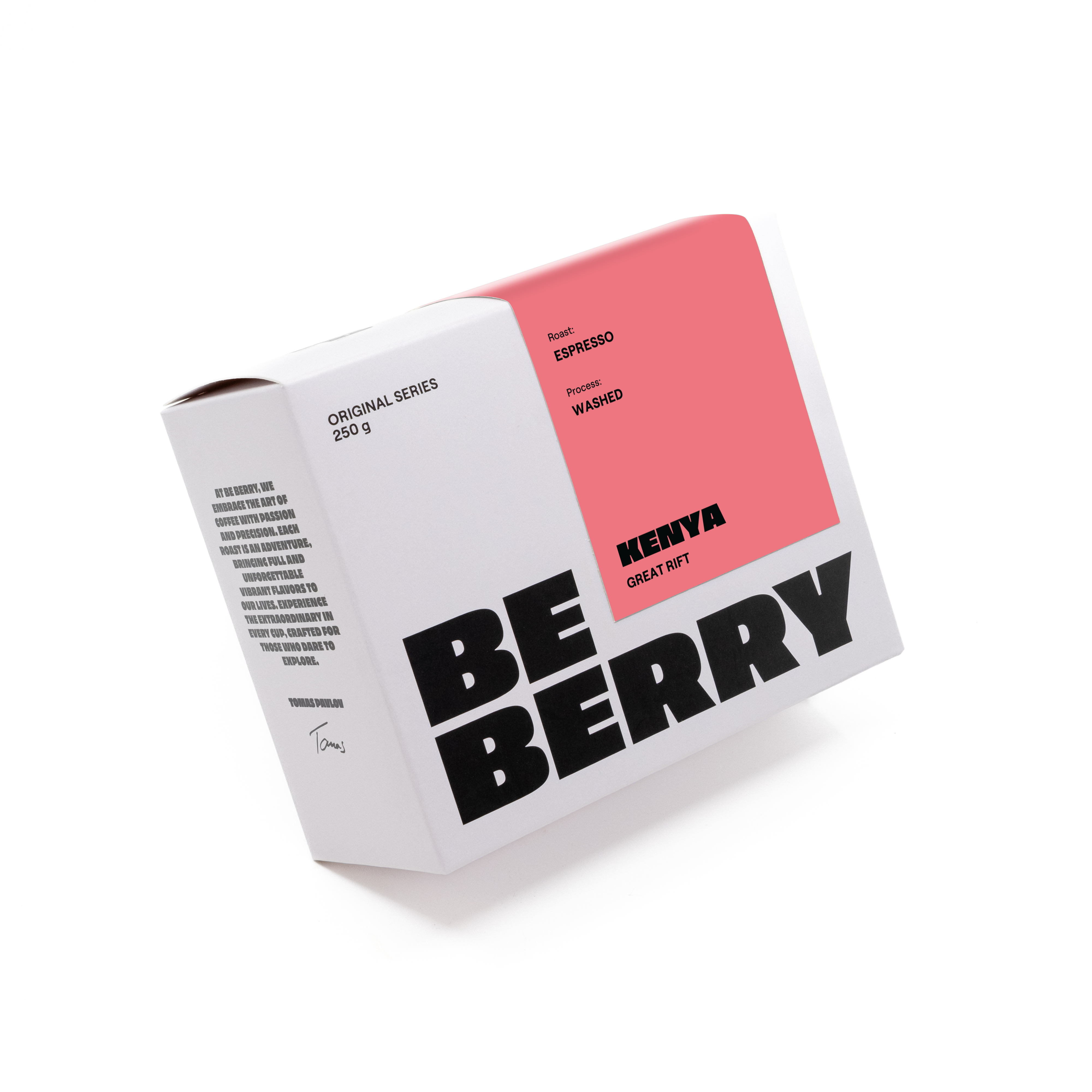

BeBerry Coffee
KENYA Great Rift Valley
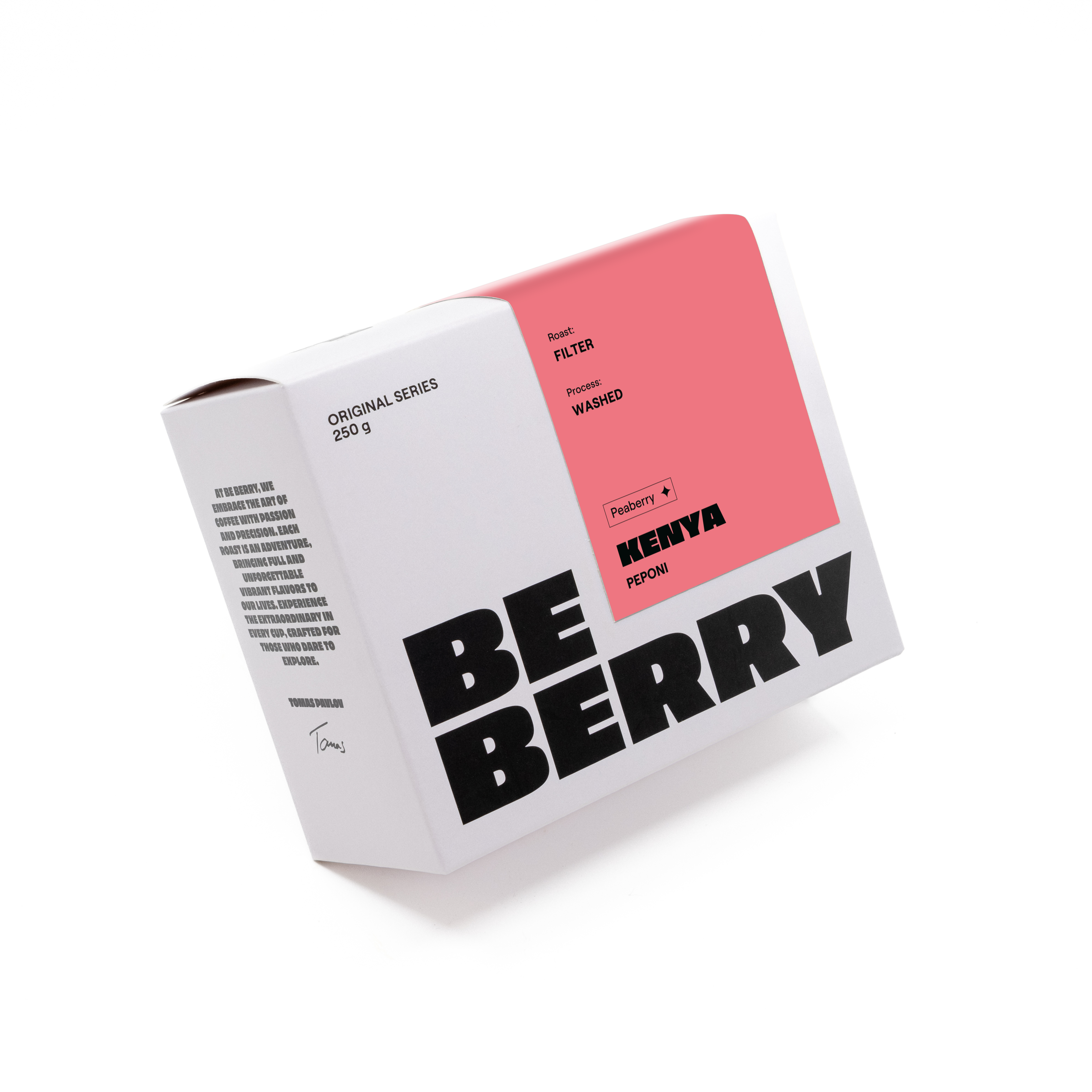
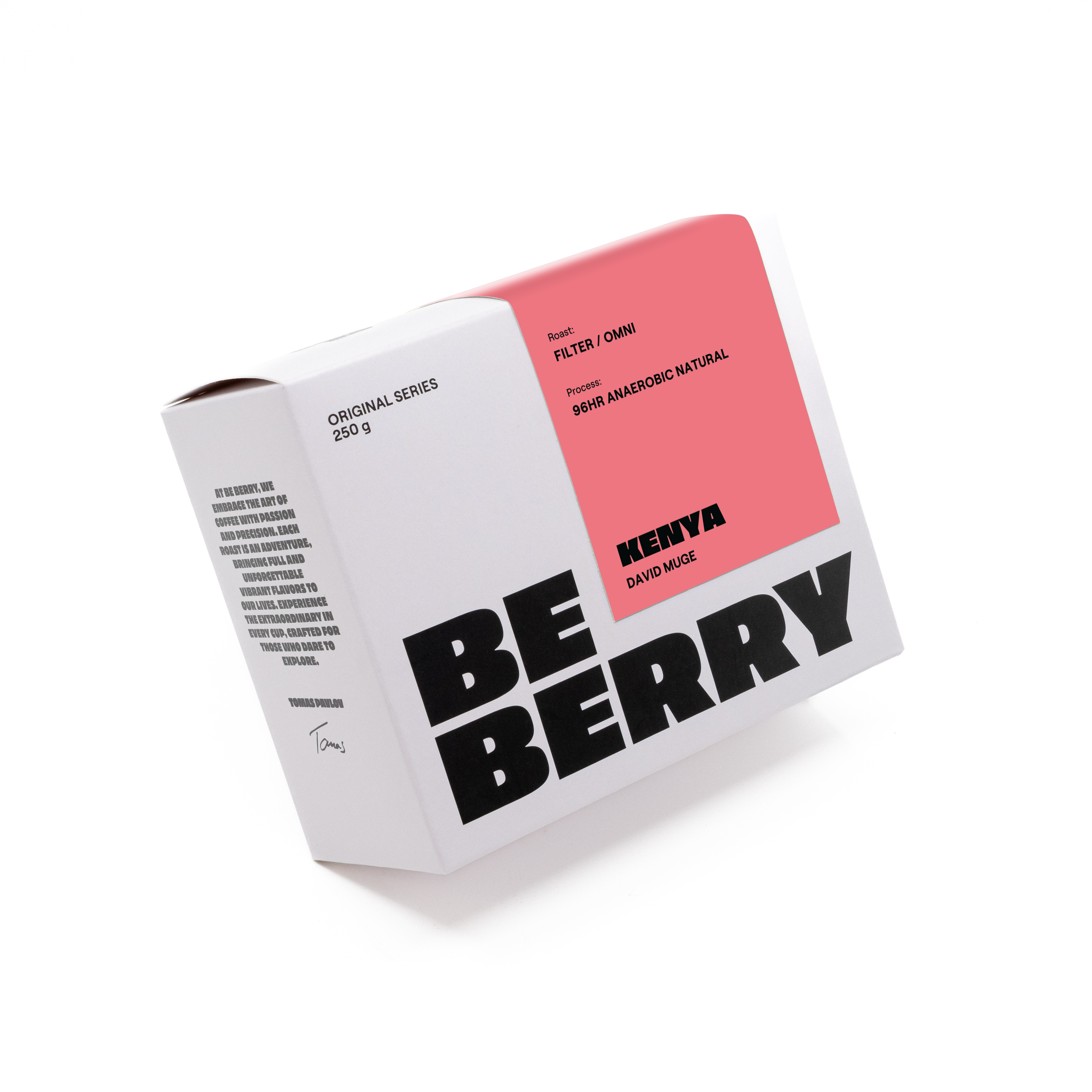
KENYA Great Rift Valley is a Kenya, the washing method, SL28, Batian, Ruiru 11 coffee from BeBerry Coffee.
In stock since:
Details
- Origin
- Kenya
- Process
- the washing method
- Variety
- SL28, Batian, Ruiru 11
- Producer
- David Muge
KENYA Great Rift Valley
KENYA Great Rift Valley is a Kenya, the washing method, SL28, Batian, Ruiru 11 coffee from BeBerry Coffee.
In stock since:
Details
- Origin
- Kenya
- Process
- the washing method
- Variety
- SL28, Batian, Ruiru 11
- Producer
- David Muge
Similar coffees to this Kenya the washing method SL28, Batian, Ruiru 11


Kenya Gikira estate SL28&SL34&Ruiru11 &Batian Fully washed
Kenya Fully Washed SL28 & SL34 & Ruiru11 & Batian
GOÛT & CO
$1.91


Gachatha AB Washed
Nyeri, Kenya Washed SL28, SL34, Ruiru 11, Batian
Hatch Crafted Coffee
$23.30

Gachatha AB
Kenya Washed SL28, SL34, Ruiru 11, Batian
CoolBeans
$26.00


AA Kiawamururu - Kenya // Natural SL28,SL34, Ruiru 11, Batian - Fresh Cranberries, Vanilla, Chocolate Mousse, Violets
Nyeri, Kenya Natural SL28,SL34, Ruiru 11, Batian
Swerl Coffee Roasters
$26.00
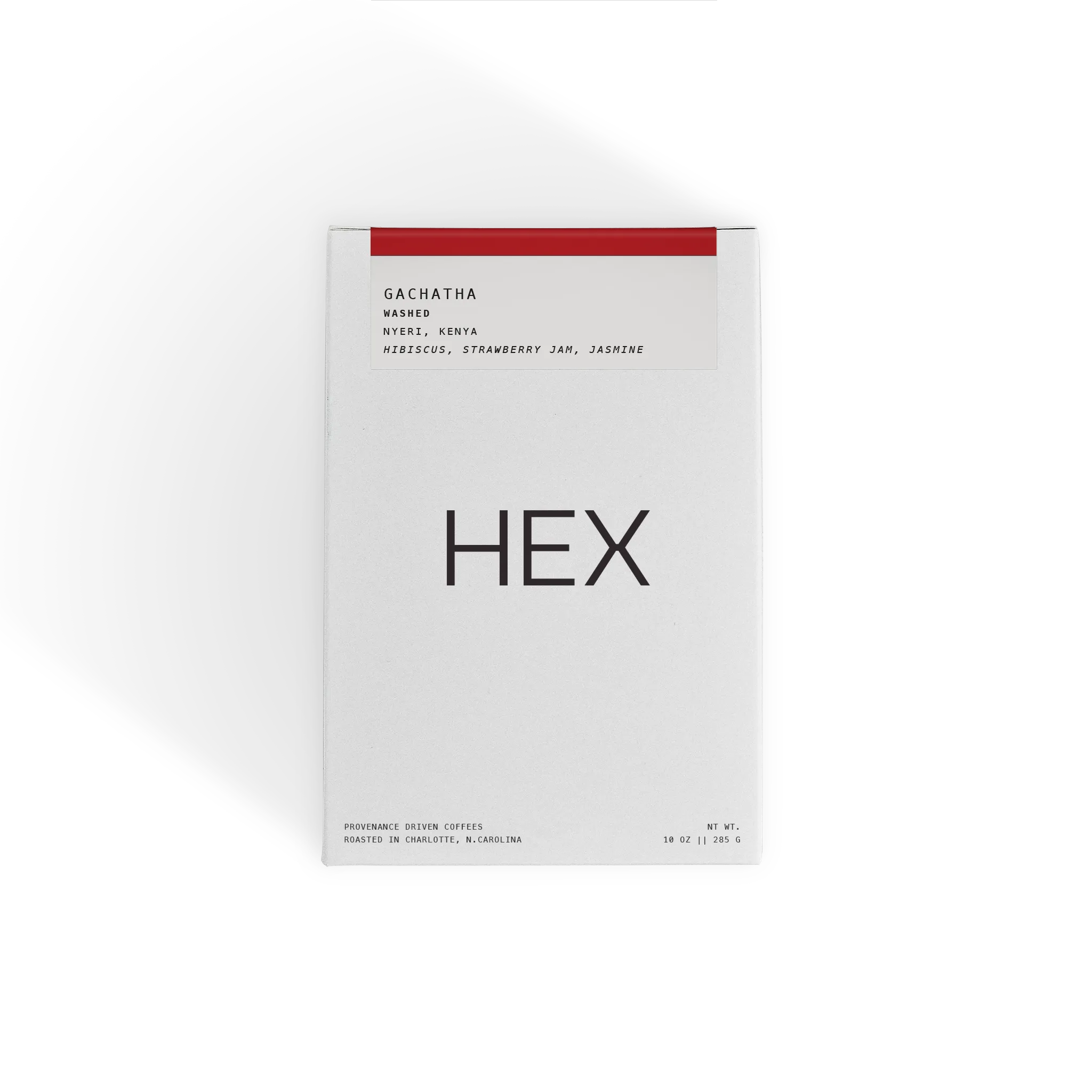

Gachatha • Washed
Nyeri, Kenya Washed SL28, SL34, Ruiru 11, Batian
Hex
$26.00


Kenya - Boma, SL28 & SL34 & Batian
Rift Valley, Kericho, Kenya Washed SL28 & SL34 & Batian
Terraform Coffee
$11.00


Description
Terroir: Nandi Nandi Hills lies on the edge of the Great Rift Valley at an altitude of 1,900–2,100 metres. It is a high-altitude region that has traditionally been better known for tea cultivation than for coffee. Coffee has only been grown here for a relatively short time, and many farms, including Great Rift, have been established over the last 10–15 years. As a result, Nandi is one of Kenya’s most interesting emerging coffee-growing regions. The area is home to the Nandi tribe, whose long agricultural tradition and community-based approach to land management continue to influence the way coffee is grown to this day. Rich volcanic soils, cool, misty mornings and extensive sugarcane plantations create the conditions for a naturally sweet and lively flavour profile. With growing investment from local producers, Nandi Hills is rapidly building a reputation as a region producing pure high-altitude coffees that represent the modern expression of Kenyan terroir. Farm: Great Rift Great Rift Coffee is a family-run farm established five years ago after its owners switched from growing sugarcane to coffee. Their aim was to showcase the potential of the Nandi Hills region as a new speciality among Kenya’s coffee-growing areas. This batch comes from several smallholder farmers in the Nandi Hills area, with whom Great Rift has a long-standing partnership. The farmers grow coffee on their own land and then bring it to Great Rift for processing. The same volcanic soils that nourished sugarcane for decades now provide ideal conditions for the SL28, Batian and Ruiru 11 varieties. Great Rift operates according to the principles of diversified farming – sugarcane is still grown on part of the land, beehives are placed around the farm to aid pollination, and hay production and livestock farming are also carried out. Manure from livestock is composted and returned to the coffee fields as natural fertiliser, whilst the water used in coffee processing is channelled to the sugarcane fields. This creates a closed, regenerative farming system. The Great Rift team oversees the entire process – from tending the coffee trees to processing – ensuring full traceability of origin, meticulous work and a continuous improvement in quality with every harvest. Farmer: David Muge When David Muge returned to Kenya in 2017 after more than thirty years spent in the UK, he saw an opportunity to give something back to the community where his family’s coffee story began. The starting point was his mother’s small coffee farm in Nandi Hills. He soon realised, however, that many local farmers lacked the necessary infrastructure to fully realise the potential of their coffee. Instead of focusing solely on his own farm, he decided to invest in the whole community. He built a local dry mill, which enabled farmers in the region to process their coffee to a higher standard. The project quickly gained the support of neighbouring growers, who saw it as an opportunity to improve the quality of their produce, boost their livelihoods and work together to build a more sustainable future for Kenyan coffee. Variety: SL28, Batian, Ruiru 11 Process: washed Fully ripe coffee cherries are: • Pulped • Fermented for 12–48 hours (depending on climatic conditions) • Washed • Slowly dried for 1–2 weeks on raised African drying beds until the moisture content drops to 10–12% The drying process in the Great Rift Valley is exceptionally meticulous. Parchment coffee is spread out in a thin layer to maximise the surface area for drying. The entire process takes place exclusively in the sun, and during the hottest part of the day, the coffee is protected by shade, which helps to maintain an optimal temperature and ensure even drying.