

Color Roasters
Guatemala Ader Recinos- Washed Process Mystery Ethiopian Variety
Guatemala Ader Recinos- Washed Process Mystery Ethiopian Variety is a Huehuetenango, La Libertad, Guatemala, Washed, Ethiopian Heirloom coffee from Color Roasters.
In stock since:
Details
- Origin
- Huehuetenango, La Libertad, Guatemala
- Process
- Washed
- Variety
- Ethiopian Heirloom
- Producer
- Ader Recinos
Available Sizes▾
- 283g — $27.00 ($9.54/100g)
- 907g — $77.00 ($8.49/100g)
- 2267g — $143.00 ($6.31/100g)
Guatemala Ader Recinos- Washed Process Mystery Ethiopian Variety
Guatemala Ader Recinos- Washed Process Mystery Ethiopian Variety is a Huehuetenango, La Libertad, Guatemala, Washed, Ethiopian Heirloom coffee from Color Roasters.
In stock since:
Details
- Origin
- Huehuetenango, La Libertad, Guatemala
- Process
- Washed
- Variety
- Ethiopian Heirloom
- Producer
- Ader Recinos
Available Sizes
- 283g — $27.00 ($9.54/100g)
- 907g — $77.00 ($8.49/100g)
- 2267g — $143.00 ($6.31/100g)
Similar coffees to this Huehuetenango, La Libertad, Guatemala Washed Ethiopian Heirloom
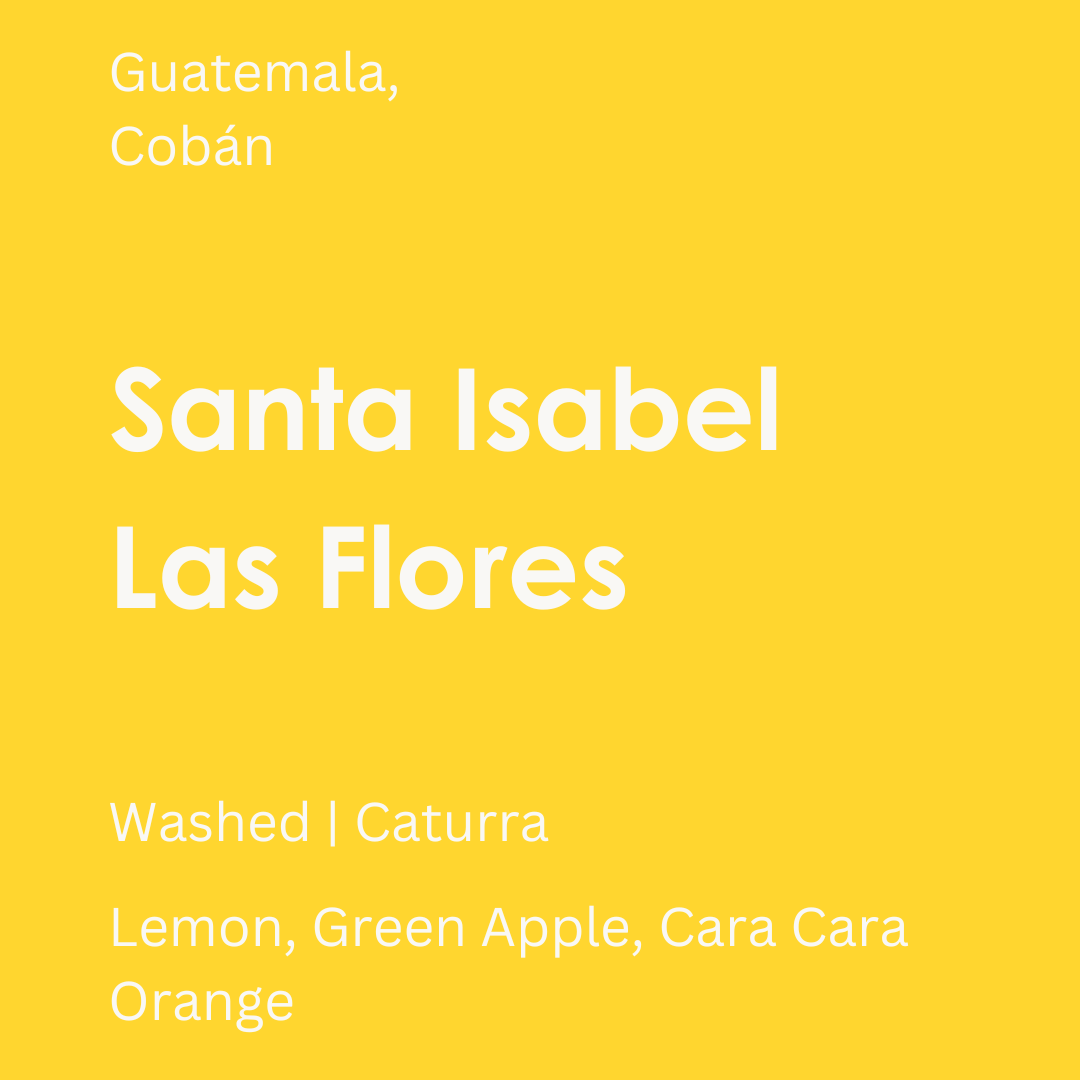

Guatemala - Santa Isabel "Las Flores"
Washed Caturra
Exposure Therapy Coffee
$25.00

Janyn Escobar - Washed Gesha - Huehuetenango, Guatemala *Roasted 9/29/26*
Agua Dulce, Huehuetenango, Guatemala Washed Gesha
Loveless Coffees
$19.00

Guji, Ethiopia
Oromia Washed Heirloom
Elixr Coffee
$24.00

Habtamu Gato
Djimmaha Gera,Sadi loya Kebele Washed Heirloom
East Pole Coffee Co.
$28.50
Description
GUATEMALA ADER RECINOS - WASHED PROCESS MYSTERY ETHIOPIAN VARIETY BRIGHT GREEN FRUITS, LUSH CITRUS, CRISP APPLE A really fun coffee from Ader. This is an unidentified Ethiopian varietal (UEV) from his property that has been separated here into a bright treat for you all. We got a super small bag of this special variety separation to share with you all! Vivid and bright with green apple, kiwi, mandarin, and crisp apple while still tasting like it's from Guatemala. YUM BEAN DETAILS: ORIGIN: Huehuetenango, La Libertad, Guatemala PRODUCER: Ader Recinos ELEVATION: 1790 masl PROCESS: Washed / 24hr Fermentation / 10 days drying on cement patios VARIETY: Ethiopian Heirloom TASTING NOTES: bright green fruits, lush citrus, crisp apple ROAST TYPE: Light Farm Level Ader - Huehuetenango, Guatemala Family Legacy and Partnership Ader is the third generation to manage his small family farm. After working in the US for many years, he returned home to Huehuetenango to take over operations. Ader is the first in his family to implement new practices in the field and in processing, focusing on the specialty coffee market. He's been working hard for many years, and we feel very lucky to be his first direct buyer. Not only are he and his family farming old varieties at seriously high altitudes in one of the most renowned coffee regions of the world, but he is young, working completely independently, and highly motivated to implement new processes. This is our ninth year buying from Ader and his family—we've been through a lot together, celebrating the births of two of his children and mourning losses together. Current Challenges This year has been challenging for many coffee producers in Guatemala, especially in Huehuetenango, given its proximity to the Mexican border. Many laborers, including those who pick cherries on coffee farms, are choosing to migrate to Mexico en route to the US in search of economic opportunity and increased safety. Fewer pickers has meant that labor costs have increased, raising the cost of coffee production and making it less economically sustainable. Farm Management Ader's farm is wedged on a mountain ridge that overlooks a valley very close to the border with southern Mexico (locals often use cheaper Mexican SIM cards since their phones pick up the Mexican phone towers' signal). Ader divides the farm into three sections based on altitude (and hence picking date) and processes everything separately. We purchased from his "low," "house," and "high" lots, all with intriguing differences in body and acidity. On the farm, Ader maintains a wastewater filtration system that prevents contamination of water systems. There's a substantial amount of shade trees and volcanic rock on these steep cliffs, and Ader is an especially judicious pruner of his shade trees, mostly chalúm. Processing Method Cherries are selectively picked and depulped in the afternoon into a traditional concrete tank. The following morning, the coffee is washed once and then left until the following morning for final washing. At such high altitudes, nights are freezing and coffee can take a long time to ferment fully (where all the pectins have been broken down by bacteria and mucilage is detached from the parchment). This method of washing at the halfway point removes the sugary mucilage that has detached from the cherries that ferment faster and allows full fermentation of those that take longer. The next morning, the coffee is fully washed using channels that density-sort the parchment (over- and under-ripes float and are removed).
More from Color Roasters

Ethiopia Hambela Natural
$25.00

Artist Reserve: Colombia Pablo Gómez - Washed Geisha (Roast date 10/5)
$16.00

Colombia Espejo Honey - Honey Processed Pink Bourbon
$26.00

Guatemala Petronila y Jaime
$22.50

Guatemala America Perez
$22.50

Colombia Perlitas De Chiroso - Extended Fermentation Nano-Lot Varietal Super Blend
$24.00