
BeBerry Coffee
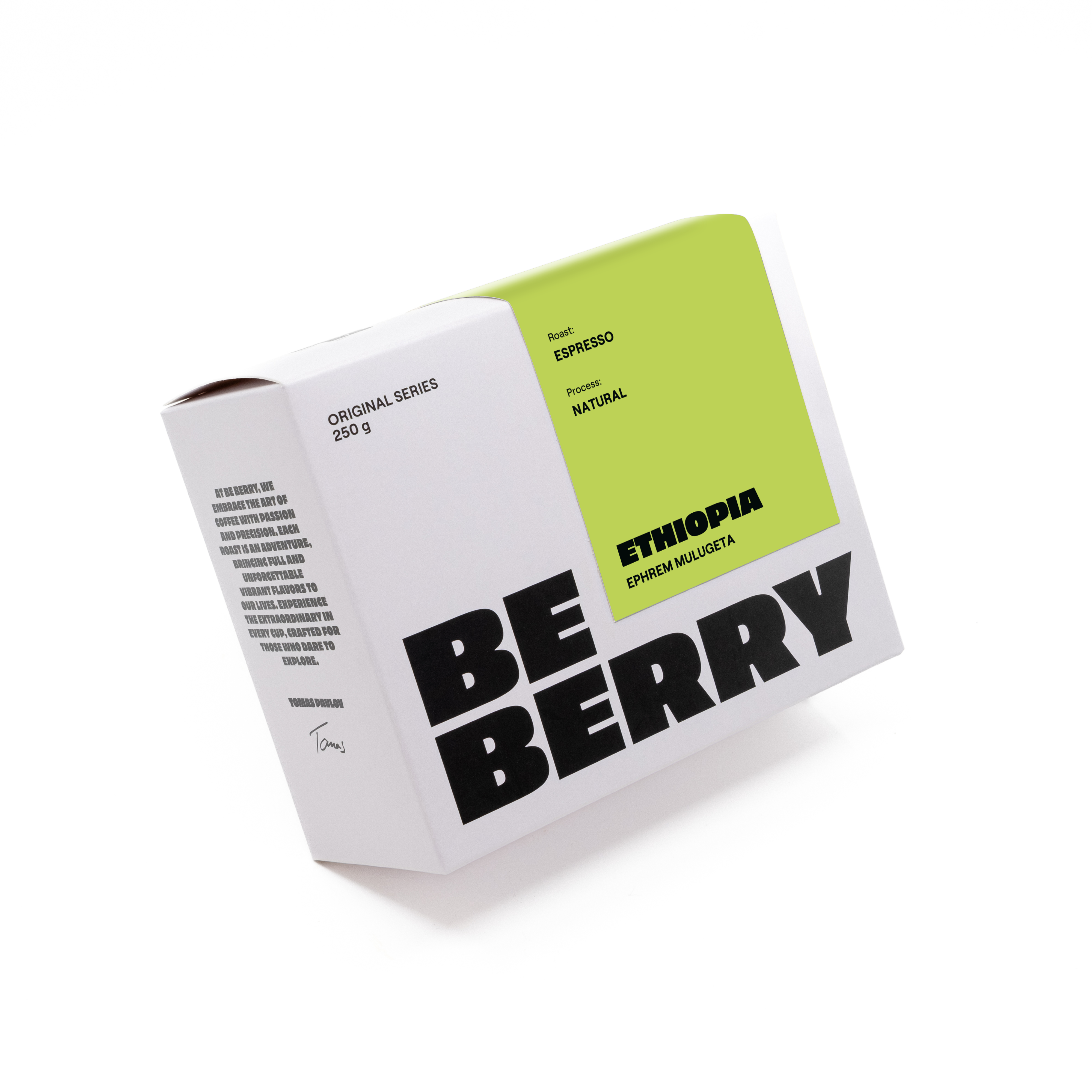
ETHIOPIA Ephrem Mulugeta
ETHIOPIA Ephrem Mulugeta is a Ethiopia, dry method, 74112, 74110 coffee from BeBerry Coffee.
In stock since:
Details
- Origin
- Ethiopia
- Process
- dry method
- Variety
- 74112, 74110
- Producer
- Ephrem Mulugeta
ETHIOPIA Ephrem Mulugeta
ETHIOPIA Ephrem Mulugeta is a Ethiopia, dry method, 74112, 74110 coffee from BeBerry Coffee.
In stock since:
Details
- Origin
- Ethiopia
- Process
- dry method
- Variety
- 74112, 74110
- Producer
- Ephrem Mulugeta
Similar coffees across all roasters


Gesha Village - Lot 26/127 Oma Natural
Ethiopia Natural Gesha 1931
Datura
$39.82


Ethiopia Gonjobe 74158 Slow dry natural
Ethiopia Slow Dry Natural 74158
GOÛT & CO
$2.55


Ethiopia Bette Buna Sundried Natural
Ethiopia Sundried natural 74112, 74110, Wild Guji Megadu
Skylark Coffee
$19.89

Ethiopia Shalaye 74110&74112&74165 Mossto natural
Ethiopia Mossto Natural * 74110
GOÛT & CO
$2.29

Ethiopia Alo Coffee-Godicho 74112&74158 Natural
Ethiopia Natural 74112&74158
GOÛT & CO
$1.53


Landrace - Natural - Banko Chelchele
Banko Chelchele, Gedeb, Gedeo, Ethiopia Natural 74112, 74110 (Ethiopian Landrace)
Hydrangea
$17.00



Description
Farm: Gundira Shela Ephrem’s farm, established in 2001, is situated on the border between two kebeles – Gundra and Shela. The farm has rich, fertile soil and includes storage facilities, staff accommodation, a drying station and an office. The processing station is situated just 1 km from the farm. The farm is divided into two sections: Abiy 1 (159 hectares) and Abiy 2 (162 hectares). The 74110 and 74112 varieties are grown here. The coffee cherries are hand-picked by experienced workers and the coffee is then dried in the shade for several days. This Grade 1 Natural coffee grows at an altitude of 1,850 metres on deep, fertile distric soils. The 74110 and 74112 varieties are hand-harvested from November to January and then dried in the shade on African beds for 21 days. Black volcanic soil and abundant rainfall (1,710–1,892 mm per year) create ideal conditions for growing coffee. Exports are handled by Gushe Buna, led by Ephrem Mulugeta, who has been involved in the coffee industry since 2001 and has been exporting to Europe and the USA since 2016. This coffee comes from the Gushe Buna farm, which covers 369 hectares approximately 40 km from the town of Bonga. The farm is divided into two sections: Abiy 1 (159 hectares) and Abiy 2 (162 hectares). The forest in which the coffee trees grow comprises more than 10 different species of trees. These include the Qararo – a tree growing to a height of up to 40 metres, which is becoming increasingly rare in Ethiopia and provides the coffee trees with exceptional shade; Birbira (Millettia ferruginea) – which grows to over 15 metres and whose decomposing leaves enrich the soil; Shego (Trichilia dregeana) – a native shade tree; Getem (Schefflera abyssinica) – a species native to the Ethiopian highlands; Bisana (Croton macrostachyus) – a fast-growing tree providing dappled shade; Shola – a native species; and Chago/Abeyi (Maesa lanceolata) – a tree growing in the lower forest strata. The farm is situated on black volcanic soil, which supports this high level of biodiversity and contributes to the quality of the individual coffee lots. Farmer: Ephrem Mulugeta Ephrem Mulugeta has been working in the coffee sector since 2001. He started out by setting up coffee nurseries and later established his own farm in the Kaffa region, one of Ethiopia’s most significant coffee-growing areas. Since 2016, his company has been selling coffee directly to export markets in Europe and the United States, with the aim of offering high-quality and fully traceable lots. Variety: 74110, 74112 This lot comprises the 74110 and 74112 varieties – Ethiopian varieties known for their disease resistance, high yield potential and exceptional quality in the cup. They have adapted very well to the specific microclimate of the forested highlands of the Kaffa region. Processing: natural Harvesting takes place from November to January, and only ripe coffee cherries are picked. The coffee is processed using the natural method, in which the whole cherries are dried. These are spread out on African beds and then dried in the shade for 21 days. This is a meticulous method in which the coffee is protected from direct sunlight during the most intense hours of the day. As a result, moisture evaporates more slowly and evenly. This gentle approach helps to preserve the delicate flavour and aromatic components, resulting in a cleaner and more elegant flavour profile than is typical for naturally processed coffees. The farm has 200 African drying beds available for this method of drying.