

Scenery Coffee (sold by CoolBeans)
Karumandi AA #023
Roasted by Scenery Coffee · Sold by CoolBeans
Karumandi AA #023 is a Kenya, Washed, SL28, SL34, Ruiru11, Batian coffee from Scenery Coffee.
Went OOS:
In stock for ~11d 2h
Karumandi AA #023
Roasted by Scenery Coffee · Sold by CoolBeans
Karumandi AA #023 is a Kenya, Washed, SL28, SL34, Ruiru11, Batian coffee from Scenery Coffee.
Went OOS:
In stock for ~11d 2h
Similar coffees to this Kenya Washed SL28, SL34, Ruiru11, Batian


Kenya - Thiririka AA 250g
Kiambu County – Kenya Washed SL28, SL34, Batian, Ruiru 11
Koppi Roasters
$29.00
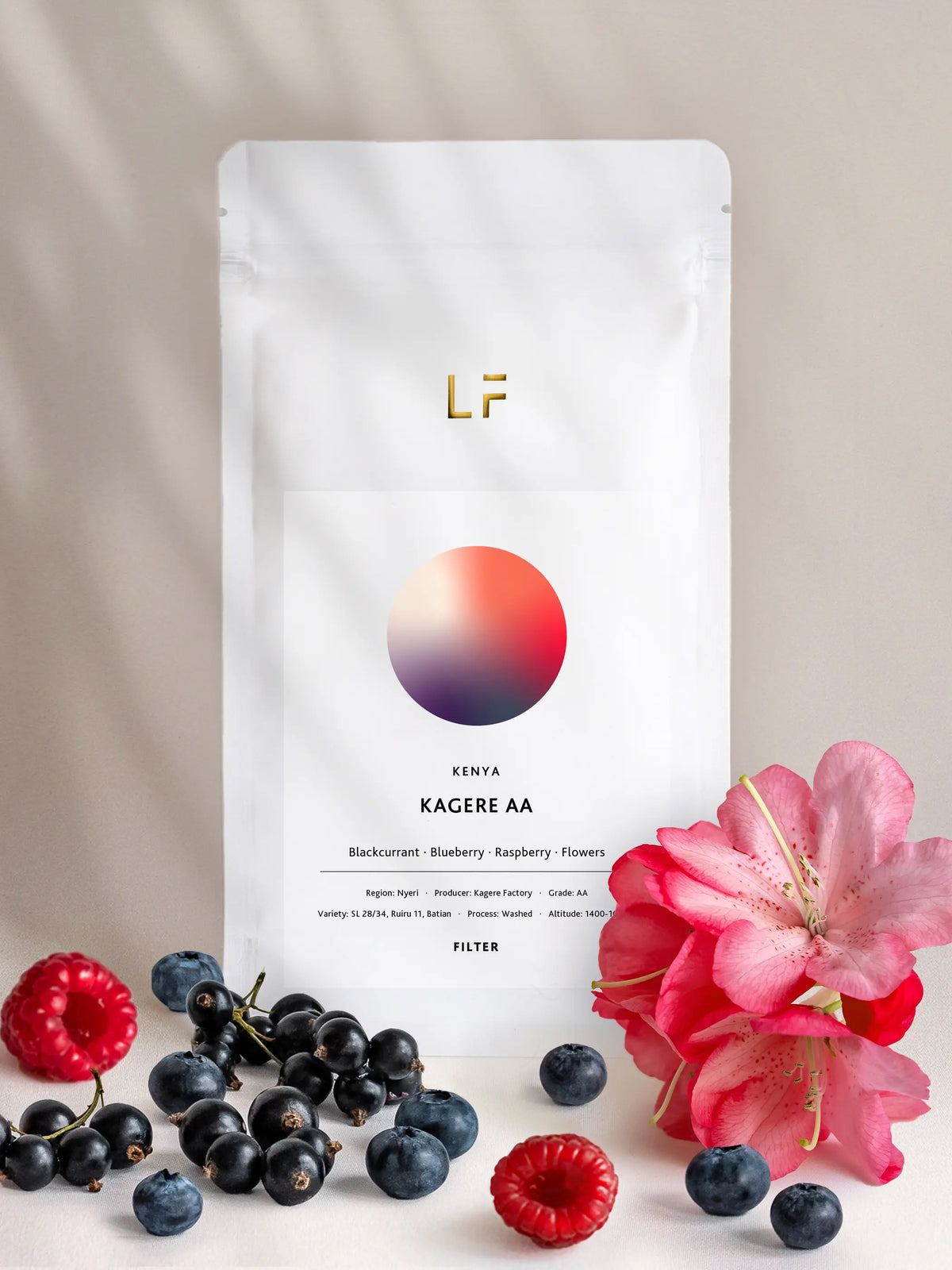

Kagere AA
Kenia · Nyeri Washed SL 28/34, Ruiru 11, Batian
Leuchtfeuer Coffee
$22.30
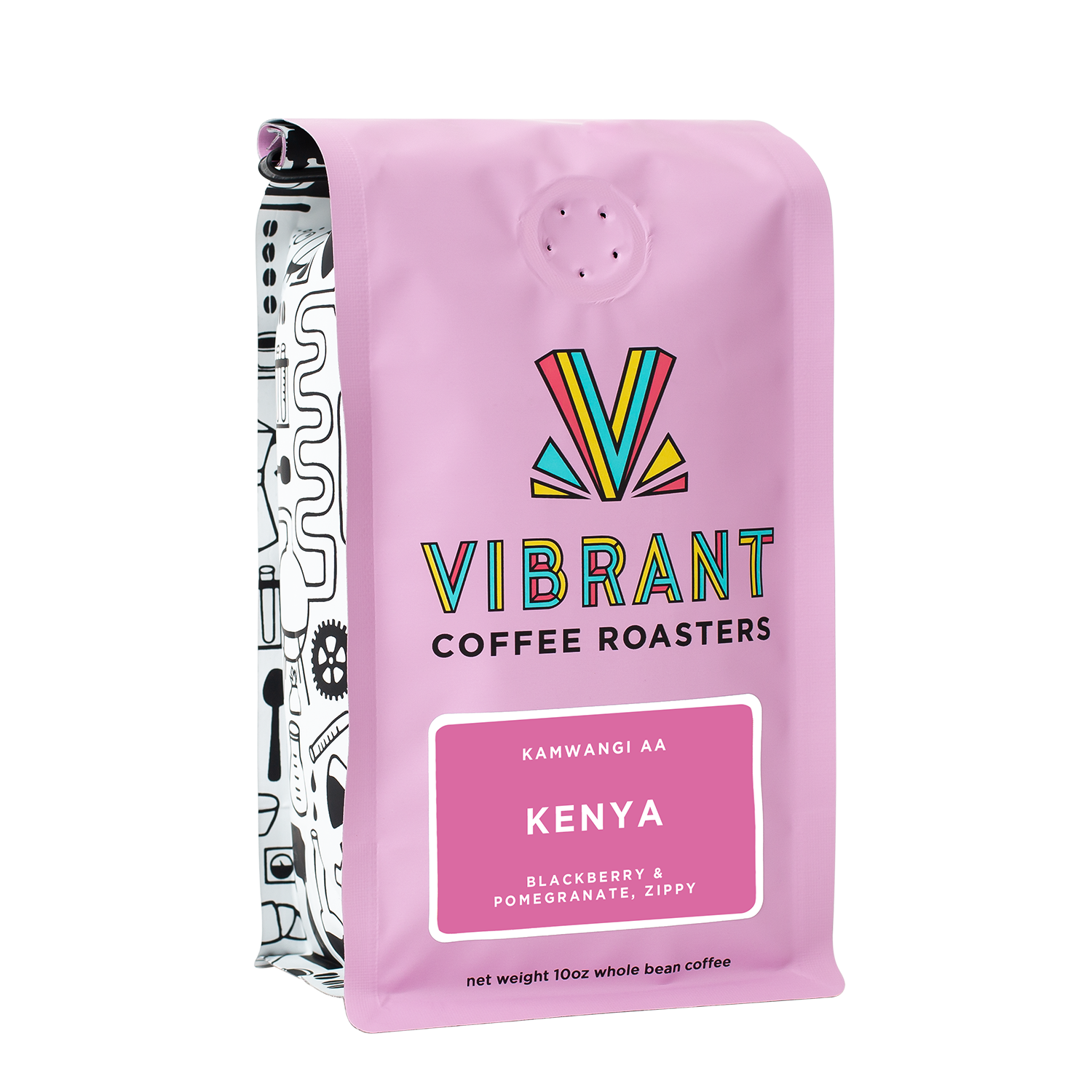

Kenya Kamwangi AA
Ngariama, Kirinyaga Washed, Dried on Raised Beds SL 28, Ruiru 11, Batian
Vibrant Coffee Roasters
$11.70

Karumandi AA
Kirinyaga Washed SL28, SL34, Ruiru 11, Batian
Dayglow Coffee
$31.20
Description
Scenery Coffee Roasters is from London, United Kingdom From SCENERY One of our favourite Kenyans of the 24/25 season returns in fine form, with a slightly different presentation this year - the old-school Kenya currant-tomato axis as a backbone but with a super bright, electrifying acidity and complex herbal/citrus notes. Brew Guide: Best Brewed with: Filter Lightest Roaster Influence: Super dense well sorted AA beans, with the potential for electric acidity? it can only mean one thing: a ripping hot and fast roast, absolutely yeeting them - because they can take it Best Rested: 4+ weeks Filter: 62g/L, 96°C. when fresh, can go down to 93°C with rest. Also great updosed with 66g/L for a more jammy cup Espresso: Classic 18g in, 45g out, 23-26s, Also works as 50g+ 15s turbo/soup We're tasting: Bright & fresh aromatics - tomato leaf, orange zest and lemon verbena. In the cup it's super juicy and bright with classic Kenyan currant notes - we find whitecurrant as the prominent character alongside blackcurrant leaf, white grapefruit & a juicy gooseberry & poached rhubarb backbone. As it cools the acidity and aromatics remind us of a high energy zippy riesling. Traceability Country of Origin: Kenya Region: Karumandi, Gichugu, Kirinyaga Producer: 1600 smallholder farmers, Baragwi Farmers' Cooperative Society Farm: Karumandi Factory Variety: Primarily SL-28 & SL-34, with some Ruiru 11 & Batian Elevation: 1600 - 1800 MASL Process: Traditional Washed: Ripe cherries delivered to Karumandi and hand-sorted on arrival. Cherries are pulped using an Agaarde disc pulper, which simultaneously density-sorts into 3 separate output channels into holding tanks. Grade 1 coffees are dry fermented under shade for 16-24 hours before washing via serpentine washing channels, which further sort by density. The final lot is soaked again in fresh water for 16-18 hours (the traditional Kenyan double soak) before drying on raised beds over 14-21 days, with shade and temperature management throughout. Import Partner: Nordic Approach Harvest: Crop 25/26 - Arrived UK: 07 Jul 2026. Second season buying from Karumandi. The Story Karumandi is one of twelve wet mills operated by Baragwi Farmers' Cooperative Society, which was registered in 1953 and remains among the larger societies in Kenya by membership. Consistency across Baragwi's sites is managed in part by rotating factory managers between wet mills every two years or so, which spreads working knowledge through the society rather than concentrating it at whichever station happens to be performing, and it goes some way to explaining why individual Baragwi factories tend to hold their form across seasons rather than spiking and fading; and indeed Karumandi had the second highest cherry price paid to farmers last season out of all the Baragwi FCS sites. Last year's main crop saw near picture perfect weather for ripening, with a ripping return to form in quality and heavy AA grade outturns. This year's been a bit of a mixed bag - like many east African countries we've seen an early harvest, and initial predictions expected limited availability. Nordic Approach responded to this by selecting shipping early, seeing strong quality in early harvest lots (when typically they might have waited for later/mid harvest pickings, which traditionally saw the strongest quality). It's turned out that early, mid and late harvest are all good, and there was more coffee available than initially expected, so we've got a pipeline of coffees arriving from now until the end of autumn with some unique expressions of the plethora of Kenyan profiles available. Many of the structural and regulatory changes that caused massive disruption to the Kenyan coffee market have settled in now - and quality continues to improve year on year. We're hearing moves are continuing to improve payment structures and price discovery, and despite the pressures that farmers are facing (more profitable crops, urban encroachment and the average age of coffee farmers now approaching 60, with urban migration being the typical route for the next generation) we still think there's hope yet for Kenyan production.


