

Detour Coffee Roasters
Sweater Weather | Fall Blend
Sweater Weather | Fall Blend is a Guatemala, Anaerobic coffee from Detour Coffee Roasters.
In stock since:
Details
- Origin
- Guatemala
- Process
- Anaerobic
Available Sizes▾
- 300g — $17.65 ($5.88/100g)
- 1000g — $57.89 ($5.79/100g)
- 2270g — $115.77 ($5.10/100g)
Sweater Weather | Fall Blend
Sweater Weather | Fall Blend is a Guatemala, Anaerobic coffee from Detour Coffee Roasters.
In stock since:
Details
- Origin
- Guatemala
- Process
- Anaerobic
Available Sizes
- 300g — $17.65 ($5.88/100g)
- 1000g — $57.89 ($5.79/100g)
- 2270g — $115.77 ($5.10/100g)
Similar coffees across all roasters
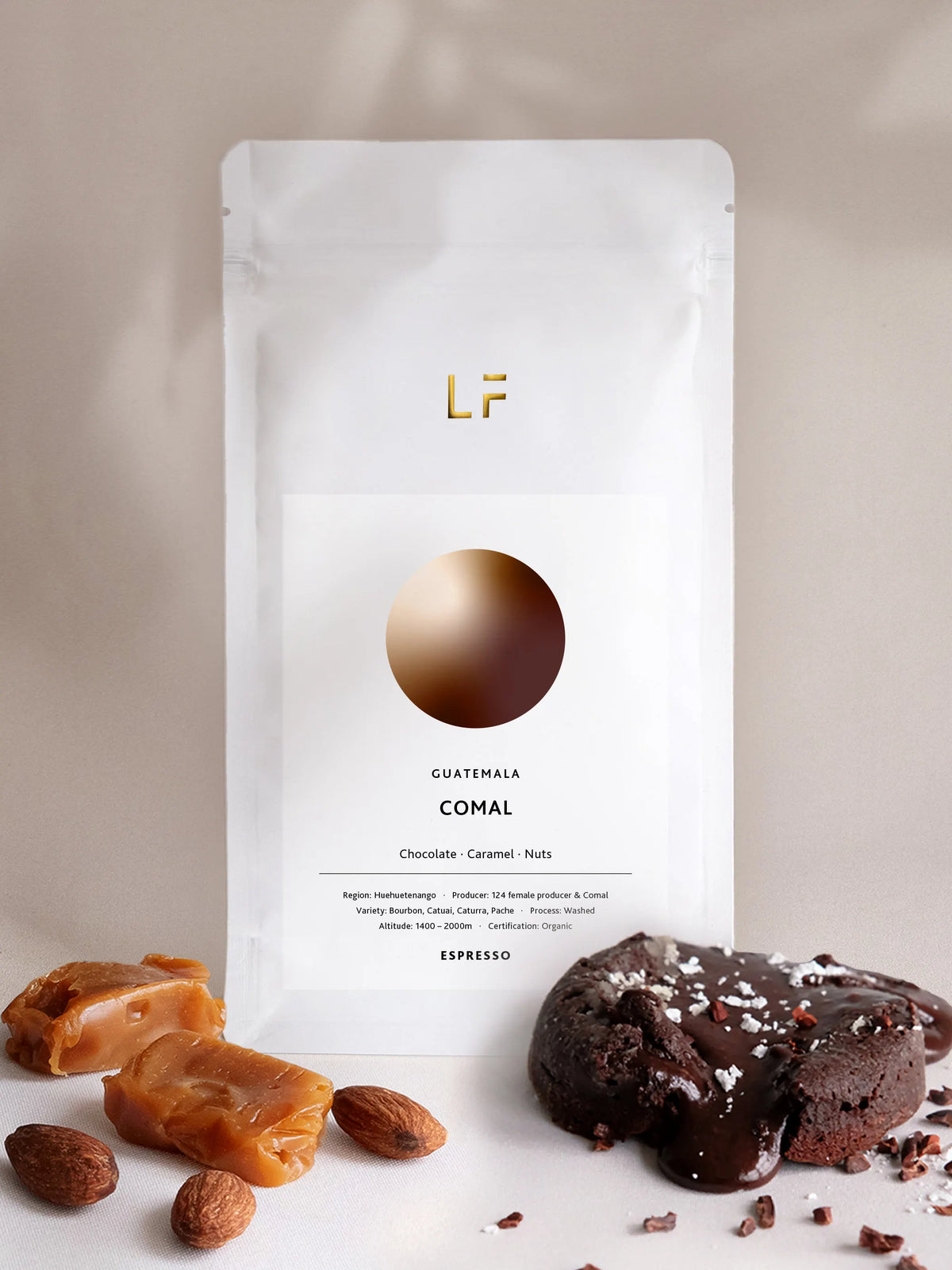

Comal
Guatemala · Huehuetenango Washed Bourbon, Catuai, Caturra, Pache
Leuchtfeuer Coffee
$15.93


Aromas del valle, José Guevara | Peru | Washed
Peru Washed Typica
St. Kilda Coffee
$22.00


Maria Mateo / Washed / Guatemala / 250g
Guatemala Washed Caturra, Bourbon
Fuglen Oslo
$20.83

DARK KNIGHT, PERU, WASHED, ORGANIC
Peru Washed Typica
Man versus Machine
$16.95


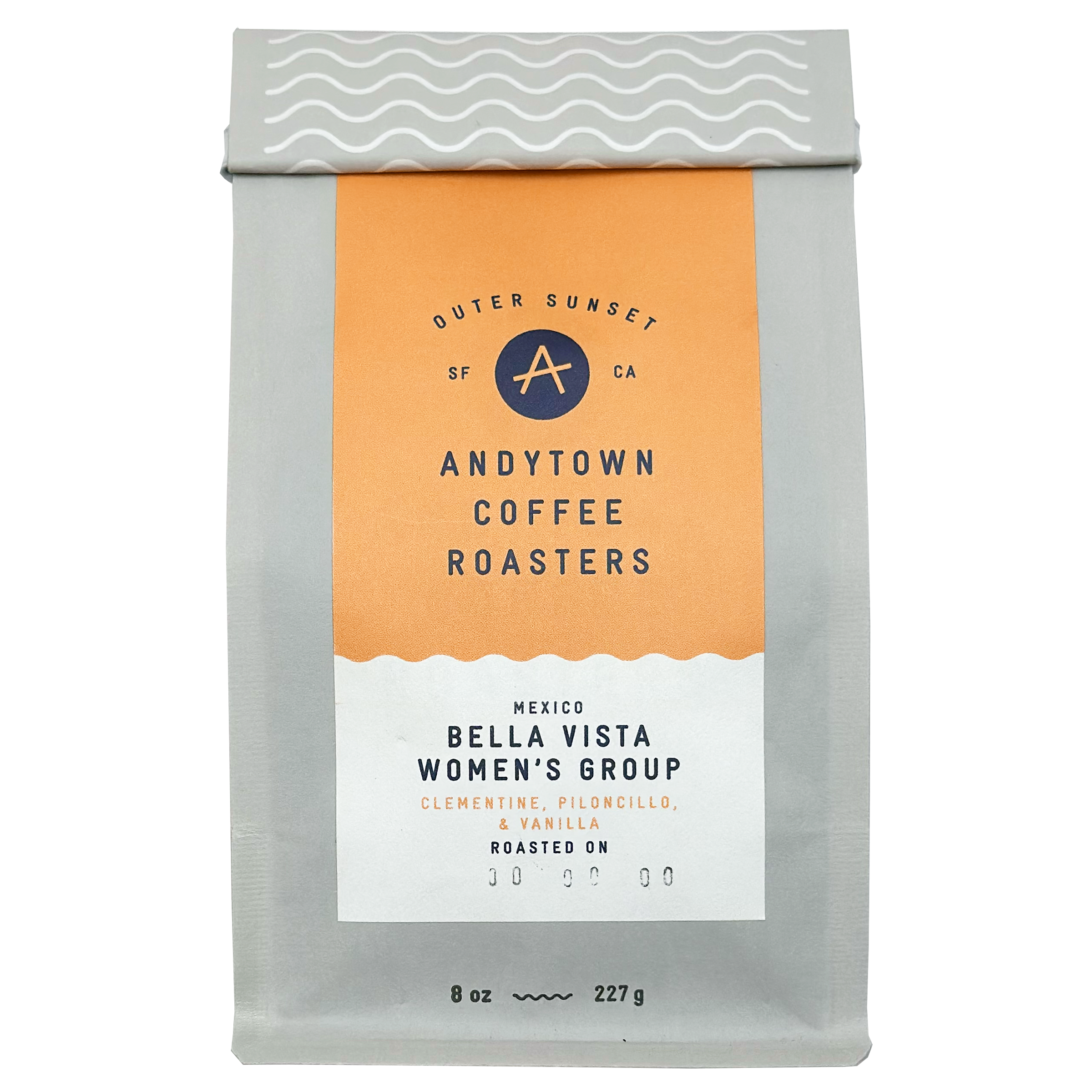
Perduras
Peru / Honduras - depending on season Washed Caturra, Pacas, Typica & Bourbon
Johan & Nyström
$27.88

Guatemala Atitlán Aprocafé
Guatemala Washed
Huckleberry Roasters
$25.00


Description
Coffee Story Our limited-fall seasonal coffee is a blend of women-produced coffees from the Manos de Mujer group in the Petatán community in Guatemala and from Lily Mirabel Altamirano in the Cajamarca region of Peru. Guatemala A'xola Manos de Mujer The producers of the A'xola Cooperative are the indigenous peoples of the Mayan Popti ethnicity. Founded in 1989 with 36 members in the Petatan community, the A'xola Cooperative has grown to 150 members who work together to market and sell their high-quality coffee. As a group, they prioritize women's participation and strive to enhance the quality of life for all members and the community's environmental and social well-being. In 2020, the Cooperative obtained certification from MAYACERT to celebrate coffee produced by women farmers. By acknowledging the role of women in the value chain, the Cooperative believes it can mitigate the economic risks faced by women coffee growers and extend its support beyond coffee production to improve women's access to formal education, prevent violence against women, and promote women's leadership and rights within the community. Of the group's 150 members, 43 are women certified to produce coffee under the Con Manos de Mujer label. Once harvested and handpicked, the coffee is fully washed and sun-dried. Perú Lily Mirabel Altamirano Peru is rich in beauty, passion, and specialty-coffee potential, and no one exemplifies this better than Producer Lilliana Heredia. Over the years, she has seen her carefully grown, picked, variety-sorted coffees mixed into larger regional lots at the Chirinos Cooperative. This led Lilliana and her husband, Neptaly, to initiate a change. They began working with the well-regarded husband-wife coffee team of Angel Noriega and Cati Simon to establish a new cooperative run by women, for women coffee producers. Lilliana's coffees are an outstanding representation of Peru's ability to produce exceptional coffee. Coffee cultivation in the Cajamarca region has a rich history, largely on small, family-owned farms that adhere to organic farming practices deeply rooted in their cultural connection to the land. Producers like Lilliana typically grow coffee on just a few acres of land intercropped with shade trees, fruits, and vegetables. Often, the family undertakes harvesting with minimal to no hired help and handles picking and land management themselves. Cherries are handpicked and carefully sorted before being de-pulped, fermented, washed, and dried using personal equipment on personal property. Processing The processes at Lilliana's farm follow a similar protocol for each variety. They are all washed, with slight adjustments for process control. The control would be to hold below a specific temperature (20-25 degrees C) and maintain a pH of 2-2.5 as closely as possible. Another unique factor is that they hold the cherries for at least 24 hours before pulping. They use loosely tied GrainPro for these, so it's not precisely "anaerobic," meaning fully controlled oxygen limitations, but it does mean that it usually boosts the fruit content. After pulping with a drum pulper, the parchment is tied off in GrainPro bags and left to ferment for up to 24 hours inside a covered fermentation tank. After fermentation, the coffee is lightly washed, stirring in the fermentation tanks with rakes. The process concludes with the coffee being dried in parabolic beds for an average of 20-25 days.
About Detour Coffee Roasters
- Location
- Ontario, Canada
- Region
- North America
- Currency
- CAD
More from Detour Coffee Roasters

Mexico Santa Cruz Ozolotepec Espresso
$19.77

Sugar Rush | Halloween Blend
$18.35

Honduras Don Chepe
$18.35

Mexico Jaime & Humberto
$19.77

Bolivia Oro Verde
$18.35

Small Talk
$15.88