
BeBerry Coffee
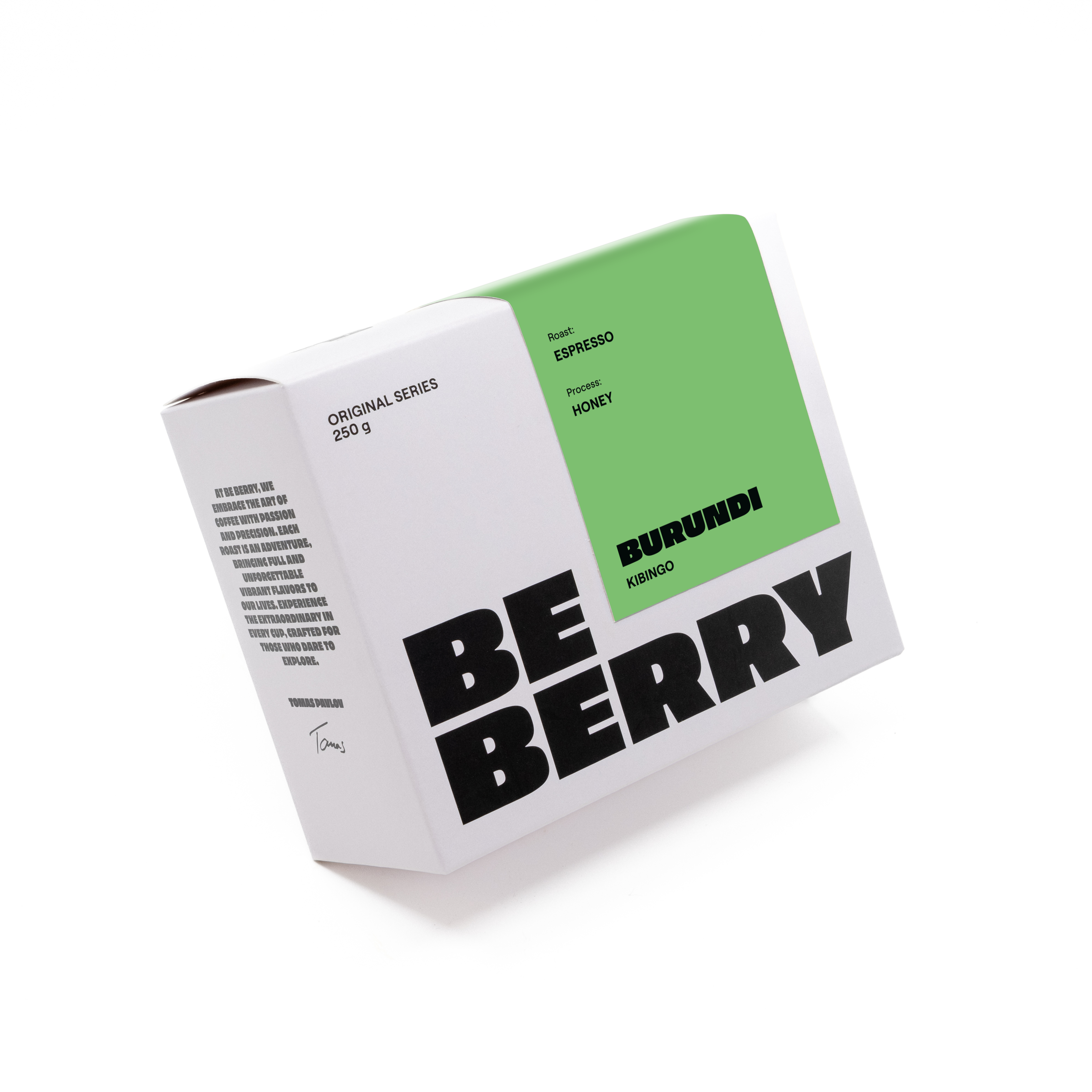
BURUNDI Kibingo
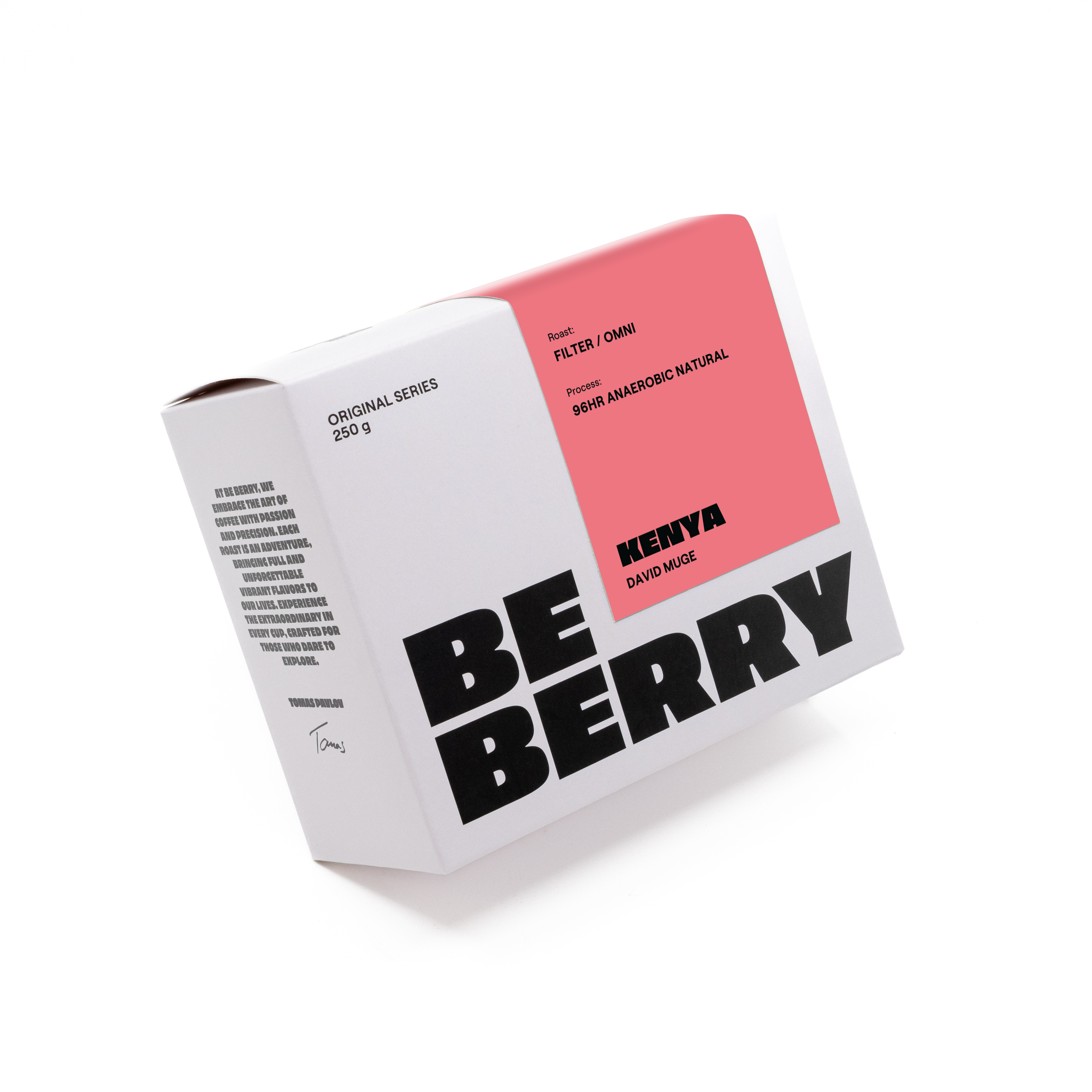
BURUNDI Kibingo is a Burundi, Honey, Red Bourbon coffee from BeBerry Coffee.
In stock since:
Details
- Origin
- Burundi
- Process
- Honey
- Variety
- Red Bourbon
- Producer
- Kibingo
BURUNDI Kibingo
BURUNDI Kibingo is a Burundi, Honey, Red Bourbon coffee from BeBerry Coffee.
In stock since:
Details
- Origin
- Burundi
- Process
- Honey
- Variety
- Red Bourbon
- Producer
- Kibingo
Similar coffees to this Burundi Honey Red Bourbon


Burundi - Kibingo Oro
Burundi Naturel avec levures Oro Bourbon rouge
KB Coffee Roasters
$20.48
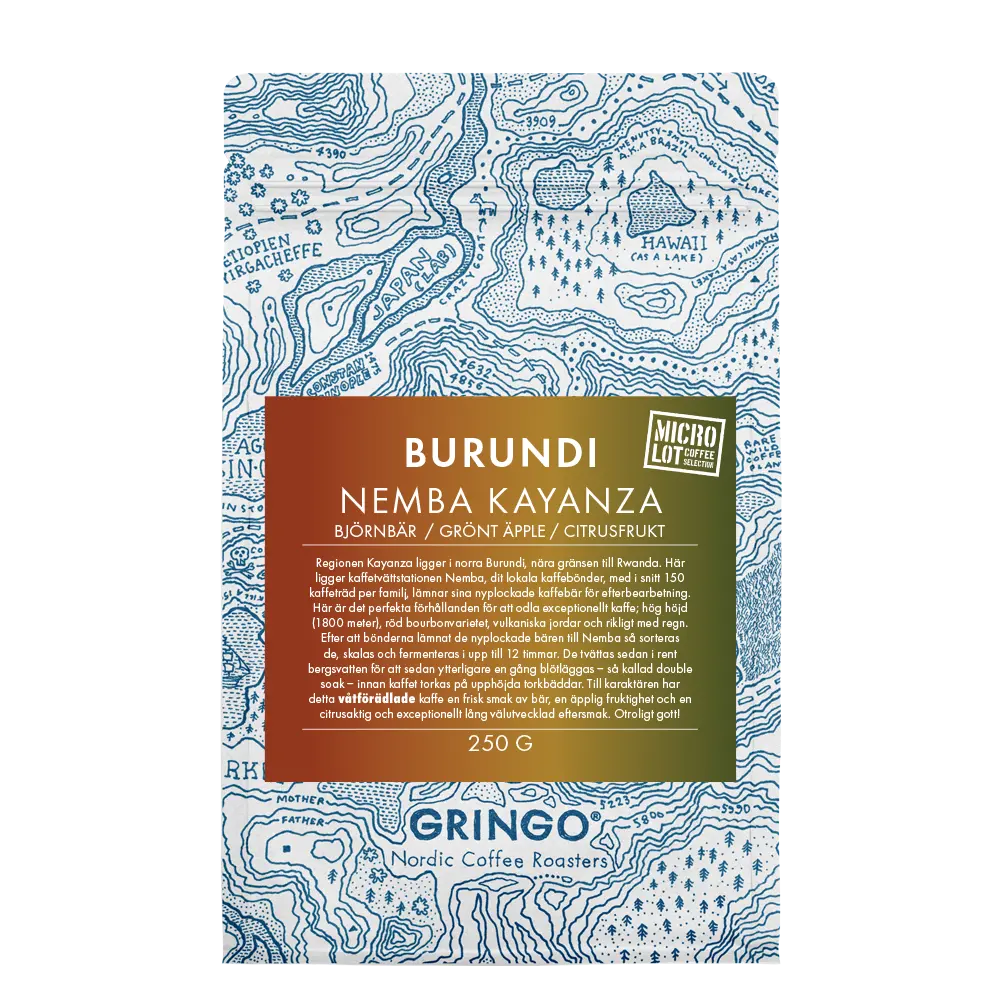

Burundi Nemba Kayanza
Burundi - Kayanza Våtförädlad Röd Bourbon
Gringo Nordic Coffee Roasters
$17.99


BURUNDI - Butegana
KAYANZA, Burundi YEAST NATURAL RED BOURBON
Almanac Coffee
$17.56

Kibingo
Kayanza. Burundi Washed Red Bourbon
JBC Coffee Roasters
$28.00

Burundi Businde Honey
Burundi Honey Bourbon
Yaggy Road Roasting Co
$60.00
Description
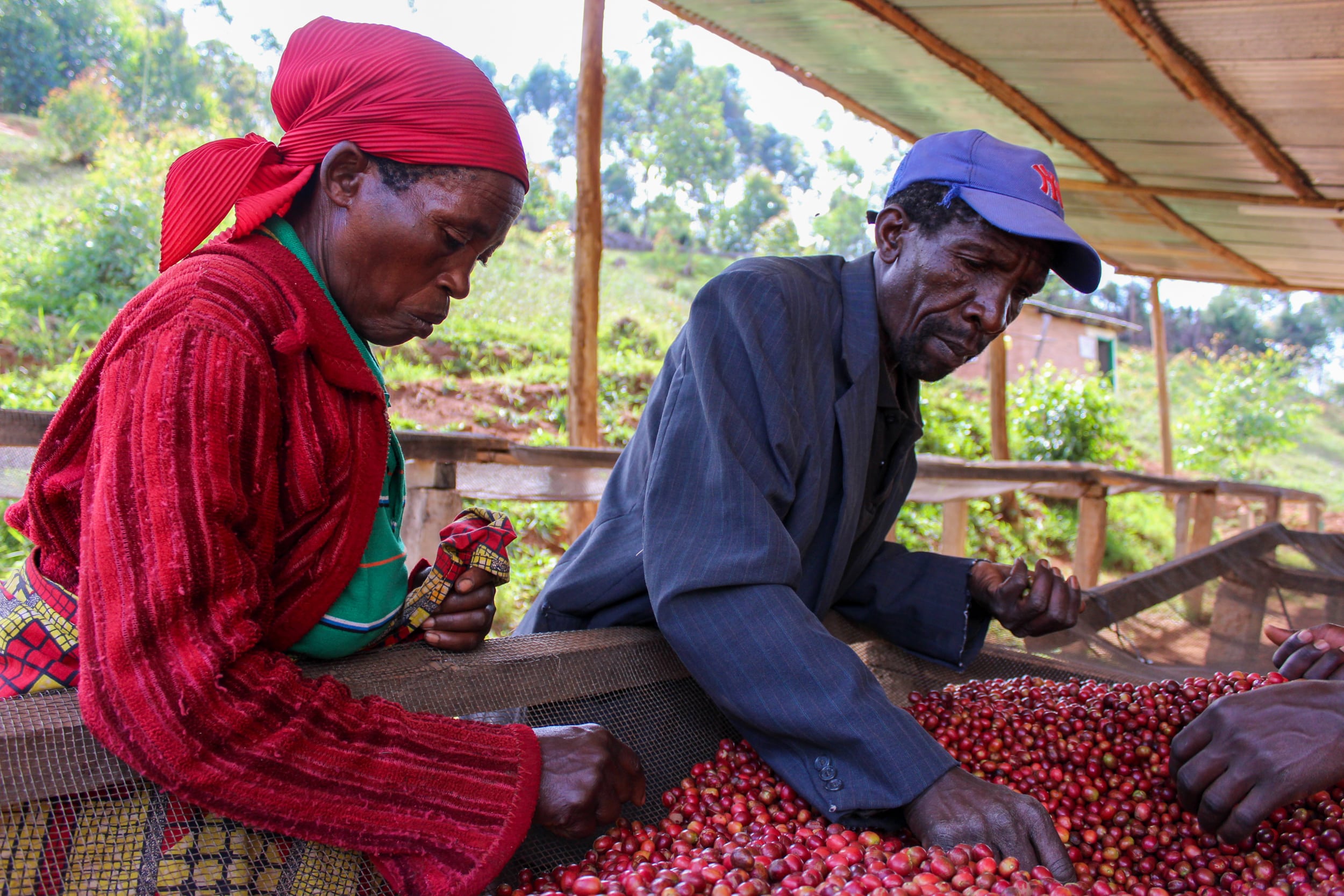
Farm: Kibingo station The Kibingo washing station is situated in the Kayanza region in northern Burundi. The station itself lies at an altitude of 1,893 metres above sea level. The farms on the surrounding hills, which supply the station with coffee cherries, are situated at altitudes ranging from 1,700 to 1,900 metres above sea level. Kibingo works with 1,739 registered coffee growers spread across 18 surrounding hills. All producers registered with Greenco are organised into groups of 30 people led by a lead farmer. The lead farmer acts as an intermediary for communication and coordination between the growers and the washing station. The station is equipped with 10 fermentation tanks, 2 soaking tanks and a drying area with 165 drying tables and 4 pre-drying tables. Kibingo can process up to 750,000 kg of coffee cherries per day. Farmers can obtain organic fertiliser produced from composted coffee pulp here. To support the regeneration of plantations, growers can purchase subsidised coffee seedlings at preferential prices. Each station has its own nursery for this purpose. Varieties: Red Bourbon Most coffee trees in Burundi belong to the Red Bourbon variety, primarily due to its high quality. With the area of coffee plantations continuing to shrink, ageing coffee trees in Burundi represent a significant problem. Many farmers have trees over 50 years old, but given the small size of their plots, they cannot afford to go several years without production – as new plantings only begin to bear fruit after 3–4 years. To support the renewal of plantations, Greenco purchases seeds, establishes nurseries and sells seedlings to farmers at cost price or below. At the washing station, farmers can also obtain organic fertiliser made from composted coffee pulp. Process: honey process During the harvest, all coffee cherries are selectively hand-picked. Most families own only 200 to 250 coffee trees, which is why the harvest is carried out almost exclusively by family members. Quality control begins immediately upon delivery of the cherries to the station. First, all cherries undergo a float test in water as an initial quality check. Greenco also purchases floating cherries (damaged, unripe, etc.), but immediately separates the two grades and sells these cherries only as Grade B coffee. This step is followed by further manual sorting for higher quality, during which damaged, unripe and overripe cherries are removed. After sorting, the cherries are pulped within 6 hours of delivery. During this process, they are separated into higher and lower grades according to density using a Mackinon three-disc pulper fitted with a separation disc. The parchment coffee, still containing traces of pulp, is then transferred directly to drying tables, where it is dried for 2 to 3 weeks. The coffee is spread out in a single layer. During the drying process, workers also remove any damaged or defective beans that may have slipped through the previous inspection. The station takes great care to ensure that only the highest quality cherries undergo drying. During rain, at the hottest part of the day and overnight, the beans are covered with tarpaulins. They are dried on the tables to a target moisture content of 11.5 per cent. Once drying is complete, the parchment coffee is packed and transported to the warehouse. Greenco’s team of experienced cupping specialists then assesses each batch (separated by station, date and quality) in the laboratory. Traceability of the station, processing date and quality is maintained throughout the entire process.