
Skill Issue Coffee
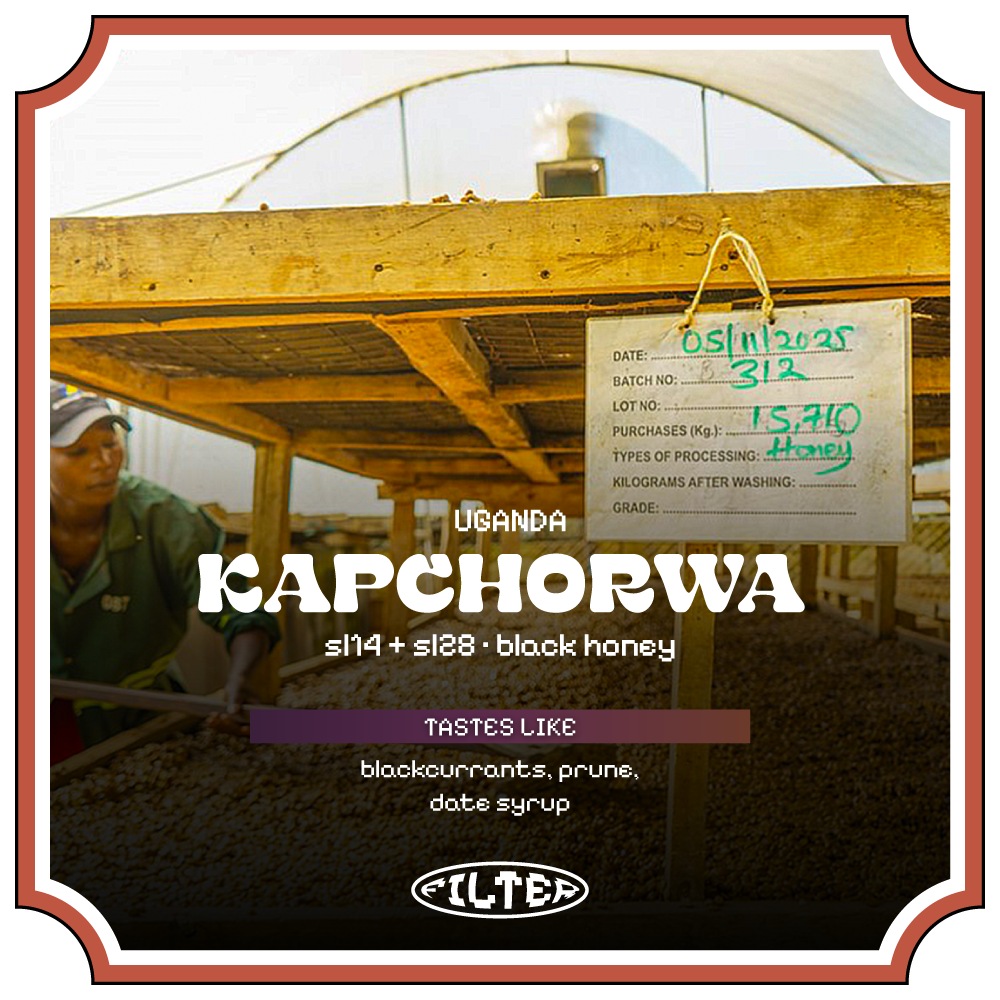
Kapchorwa
Kapchorwa is a Uganda, Black Honey coffee from Skill Issue Coffee.
In stock since:
Details
- Origin
- Uganda
- Process
- Black Honey
- Producer
- Smallholders
Kapchorwa
Kapchorwa is a Uganda, Black Honey coffee from Skill Issue Coffee.
In stock since:
Details
- Origin
- Uganda
- Process
- Black Honey
- Producer
- Smallholders
Similar coffees across all roasters


Uganda Bulambuli
Uganda Washed Sl28, Sl34, SL14
Townsfolk Coffee
$9.00


Uganda Sipi Falls
Sipi, Kapchorwa District, Uganda Extended Fermentation Washed SL 14 and SL 28
Wide Awake Coffee
$8.32


Kenya - Kanguya Cherry Ale 2026 | Black Honey
Kenya Honey
Rogue Wave Coffee
$6.00


Uganda Zukuka Bora | Muyanda Mt Elgon (Single Origin Filter)
Muyanda Mt Elgon, Uganda Washed SL 14 & SL 28
Manta Ray Coffee Roasters
$15.45

Uganda: Yembek Anaerobic Natural
Kapchorwa, Uganda Anaerobic Natural SL-34, others
Broadsheet Coffee
$25.50


UGANDA Kiliti Washed WX
Bukyabo, Sironko District, Uganda Washed, Fermented with cherry skin Nyanzaland, SL14, SL28
Coffea Circulor
$18.20

Description
Coffee Details Region: Kapchorwa, Sebei Producer: Smallholders Washing Station: Kapchorwa Grade: A Varietal: SL14, SL28 Process: Black Honey Elevation: 1600-1800 masl Roast level: Very light Roasted for: Mod Spro + Filter Rec. rest: 14 days Net weight: 150g Cup Profile Tasting Notes: Blackcurrants, prune, date syrup Fragrance/Aroma: White-red florals, dates, slightly chocolatey Acidity: Rounded, primarily malic Body: Syrupy, coating Aftertaste: Lingering, sweet, caramel-like with a pleasantly bitter finish On grinding, the fragrance reveals a pronounced dried-fruit sweetness reminiscent of dates, accompanied by gentle white and red florals that bring to mind Fuji apple. Beneath these softer aromatics lies a subtle milk chocolate character, lending a touch of warmth and depth. With brewing, the dates become more prominent, joined by a pleasant earthiness that hints at the darker fruit character to come. In the cup, blackcurrant makes the first impression, offering a dark, slightly earthy fruitiness that is both expressive and composed. Its character gradually gives way to the rounded, primarily malic acidity of prune, introducing a mellow stone-fruit sweetness that softens the initial intensity. The transition is remarkably seamless, with each successive flavour emerging almost imperceptibly from the last. As the prune recedes, date syrup takes over, deepening the sweetness with a rich, concentrated dried-fruit character. A syrupy, coating body amplifies this progression, lending the cup a substantial texture that carries its flavours across the palate. Despite the density, the acidity remains rounded and well integrated, keeping the profile from becoming overly heavy. The finish is lingering and sweet, with caramel-like notes gradually giving way to a pleasant, gently bitter edge. This final touch provides a welcome counterpoint to the concentrated sweetness, adding definition and preventing the finish from feeling one-dimensional. The overall experience is one of dark-fruit richness and fluid flavour development, moving from earthy blackcurrant through mellow prune and into the deep, honeyed sweetness of date syrup. The floral and chocolate nuances remain understated, providing subtle aromatic complexity to a cup whose defining character lies in its seamless transitions and pleasantly bittersweet finish. Background Kapchorwa lies on the western slopes of Mount Elgon in eastern Uganda, one of the country’s principal Arabica-growing areas. The region’s high elevations, abundant rainfall and fertile volcanic soils create favourable conditions for slow cherry maturation, helping producers develop dense, sweet coffees with pronounced acidity and fruit character. At around 1800 masl, Kapchorwa also benefits from cooler temperatures that encourage slower bean development and contribute to the distinctive qualities associated with Mount Elgon coffees. This lot is produced by approximately 2000 smallholder farmers around the Kapchorwa Washing Station. Most farms are small, around 1–2 hectares, with coffee grown alongside food crops such as bananas, beans, cassava and maize. Coffee is an important cash crop for these households, while diversified cultivation provides food security and supports a more resilient farming system. The coffee undergoes a black honey process, a method that sits between washed and natural processing. After pulping, much of the sticky, sugar-rich mucilage surrounding the parchment is deliberately retained rather than being completely removed through washing. The coffee is then dried with this mucilage intact, allowing the sugars and other compounds within it to undergo controlled fermentation as moisture is gradually removed. Black honey represents the most mucilage-intensive end of the honey spectrum and generally requires a longer, slower drying period and careful management to prevent mold or uncontrolled fermentation. The process is particularly interesting alongside Kapchorwa’s terroir. The region’s cool, high-altitude environment encourages slow maturation, while its volcanic soils and ample rainfall provide the foundation for concentrated sweetness and vibrant acidity. Retaining the mucilage during drying adds another layer of influence, typically producing greater body, sweetness and fruit intensity than a fully washed coffee while retaining more structure and definition than many naturals. For this lot, the pulped parchment is dried slowly on African beds inside a greenhouse, allowing the remaining mucilage to dry around the coffee in a controlled environment. The result is a style of processing that complements rather than overwhelms the coffee's origin character: Mount Elgon's bright acidity and concentrated fruit expression are reinforced by the syrupy sweetness and fuller mouthfeel associated with black honey processing. Price Transparency Sourced from: Asian Bean We paid: S$31.61/kg Roasted cost: S$52.31/kg Stats for Geeks Moisture content: 10.5% Weight loss: 11.7% Agtron: W 75.6 / G 118.8 / △ 43.2 #block-0697cde426448002950a { --accordion-item-padding-top: 15px; --accordion-item-padding-bottom: 15px; --accordion-item-padding-left: 0px; --accordion-item-padding-right: 0px; --accordion-icon-size: 14px; --accordion-icon-thickness: 1px; --accordion-description-padding-top: 0px; --accordion-description-padding-bottom: 30px; --accordion-description-padding-left: 0px; --accordion-description-padding-right: 0px; --accordion-description-width: 70%; --accordion-divider-thickness: 1px; --accordion-divider-opacity: 1; } #block-0697cde426448002950a { --stroke-style: none;--stroke-thickness: 6px; } #block-0697cde426448002950a .accordion-items-container { --tweak-accordion-block-padding: 6% 6% 6% 6%; --tweak-accordion-block-padding: initial; } #block-0697cde426448002950a { mix-blend-mode: var(--tweak-accordion-block-blend ); border-radius: var(--tweak-accordion-block-radius); } #block-0697cde426448002950a { --tweak-accordion-block-radius: 0px 0px 0px 0px; } #block-0697cde426448002950a { --tweak-accordion-block-blend : normal; } #block-0697cde426448002950a { --blur-value: blur(15px);}
More from Skill Issue Coffee
La Esmeralda
$18.78
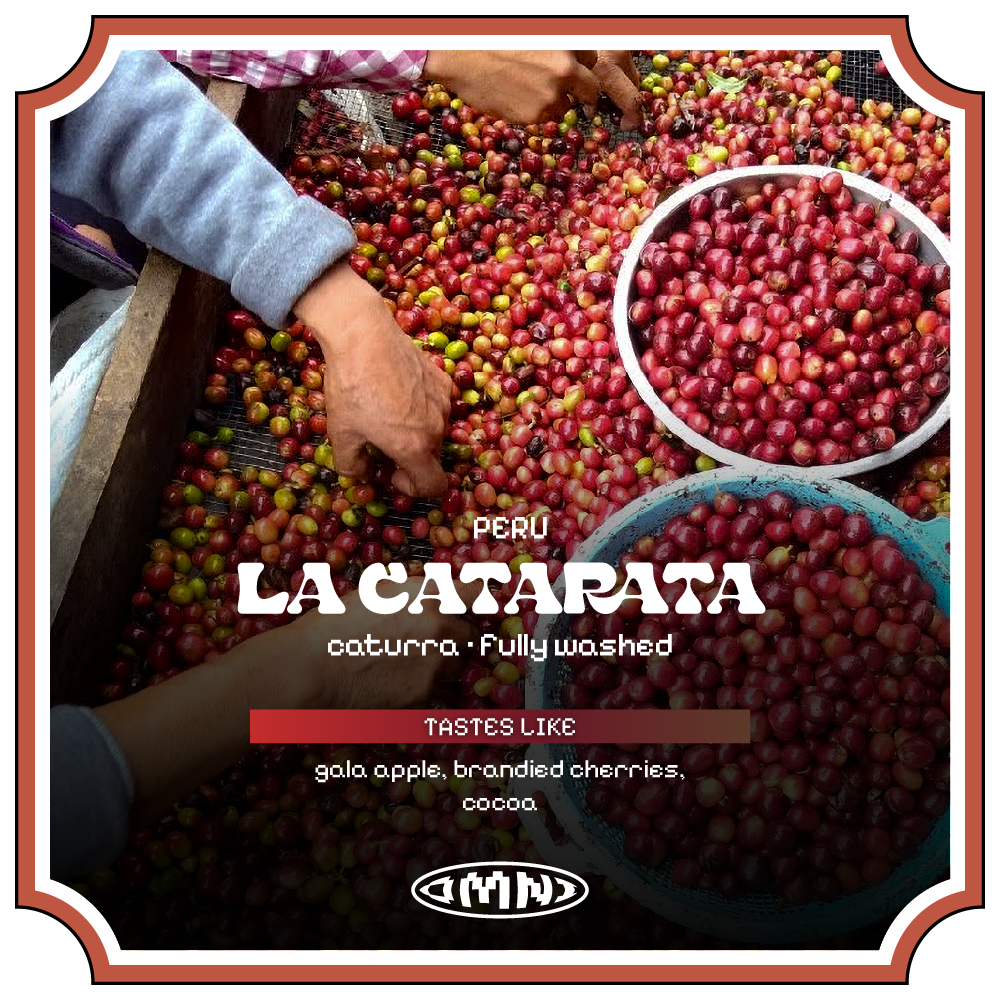
(Last Roast) La Catarata
$15.65
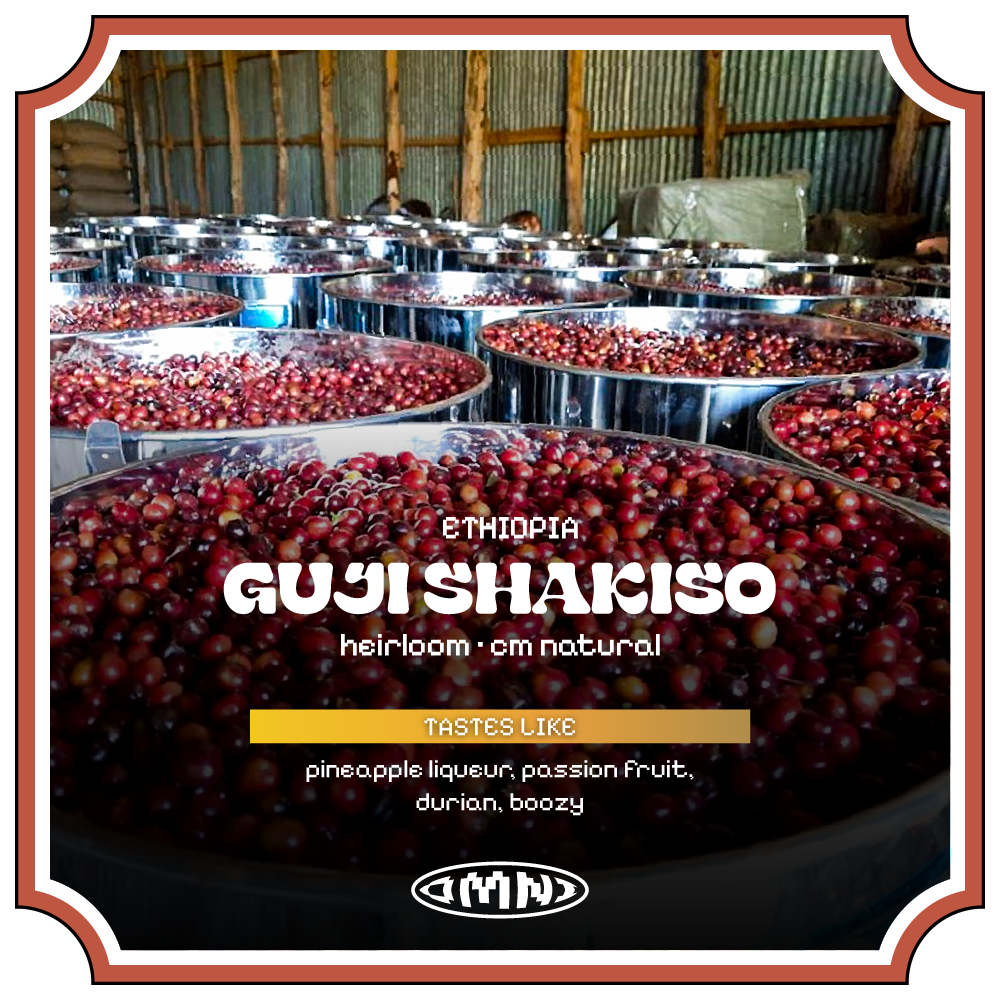
Kebir\Guji Shakiso
$19.57
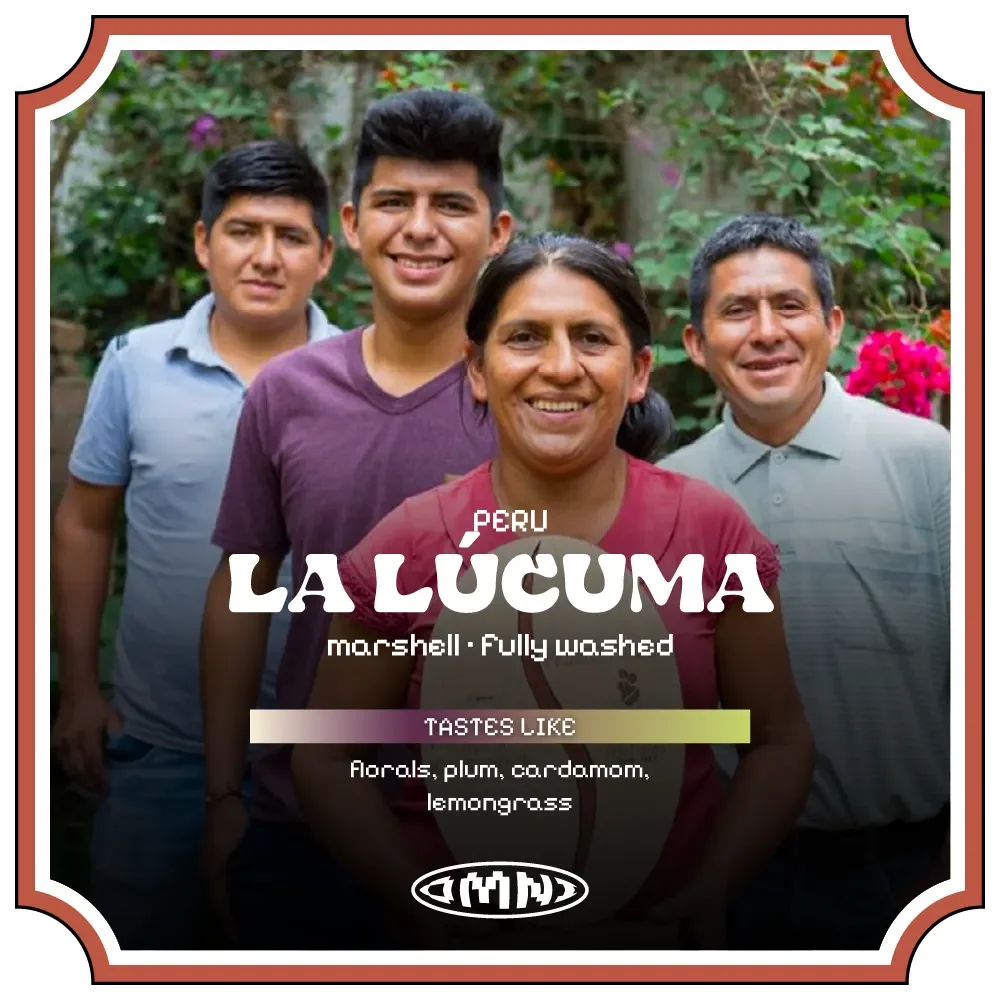
(Last Roast) La Lúcuma
$14.87
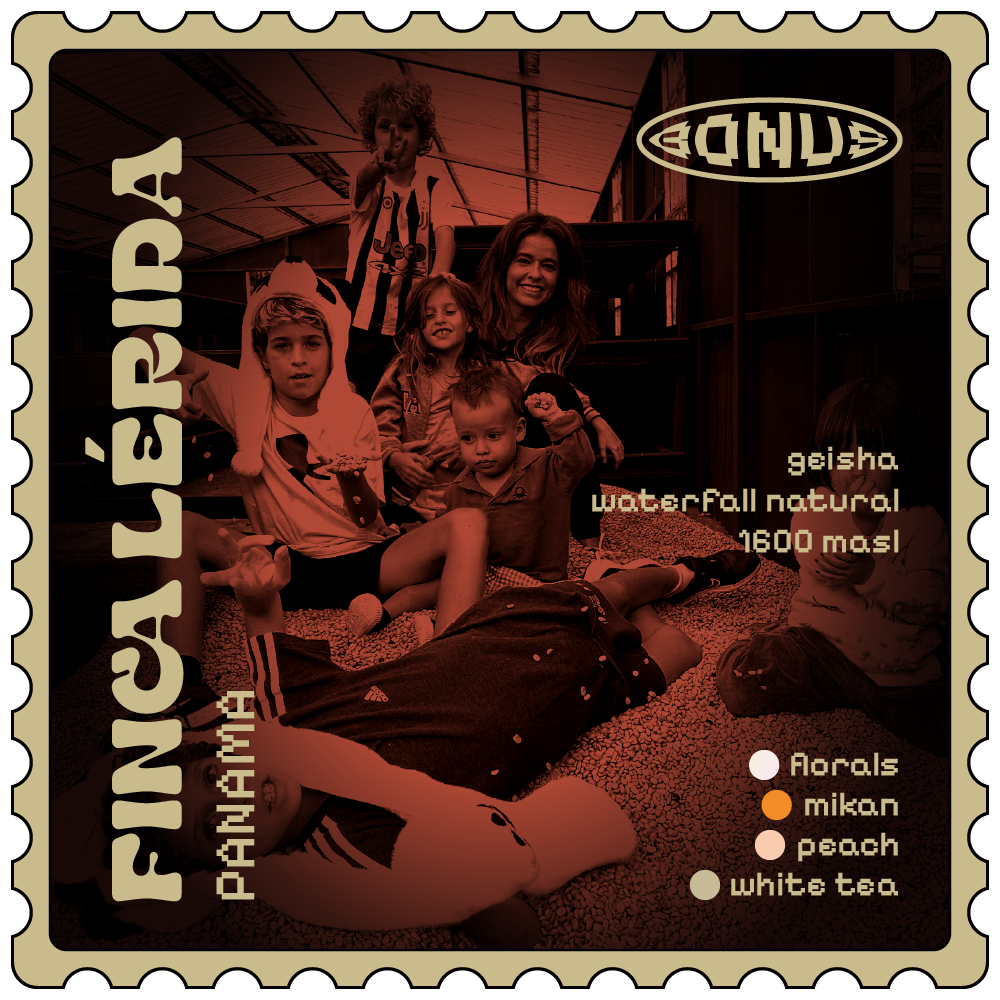
Stage\Bonus\Finca Lérida
$31.31
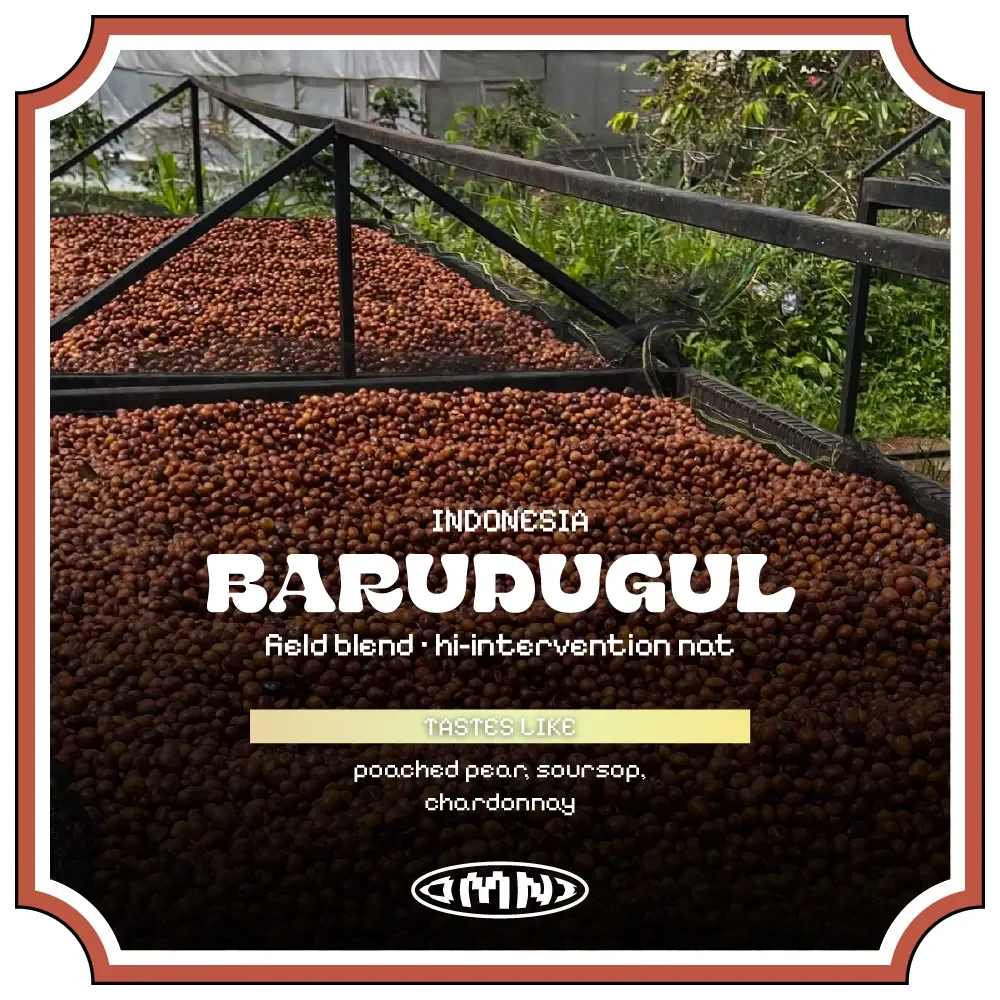
Barudugul #DRFN-P07.08
$14.87