

S&W Craft Roasting
El Salvador Natural Sudan Rume Eduardo Figueroa
El Salvador Natural Sudan Rume Eduardo Figueroa is a El Salvador, Natural, Sudan Rume coffee from S&W Craft Roasting.
In stock since:
Details
- Origin
- El Salvador
- Process
- Natural
- Variety
- Sudan Rume
- Producer
- Eduardo Figueroa at Finca El Retiro
El Salvador Natural Sudan Rume Eduardo Figueroa
El Salvador Natural Sudan Rume Eduardo Figueroa is a El Salvador, Natural, Sudan Rume coffee from S&W Craft Roasting.
In stock since:
Details
- Origin
- El Salvador
- Process
- Natural
- Variety
- Sudan Rume
- Producer
- Eduardo Figueroa at Finca El Retiro
Similar coffees across all roasters


El Salvador Pacamara Natural
Chalatenango, El Salvador Expermental Natura Pacamara
Islet Coffee Lab
$26.51
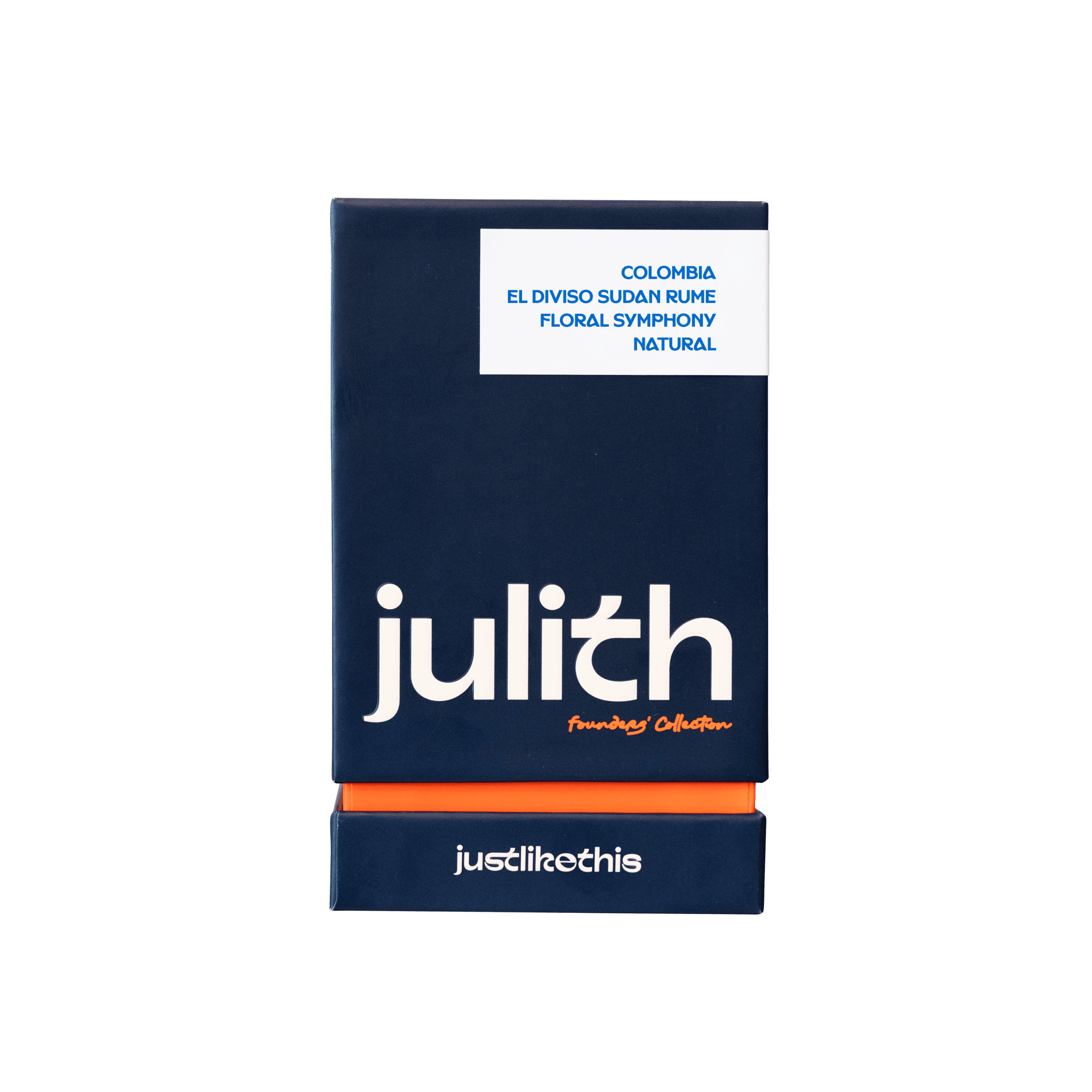

Colombia El Diviso Sudan Rume Floral Symphony Natural
El Diviso, Colombia Natural Sudan Rume
Julith Coffee
$21.78

Chalatenango (Natural)
El Salvador Natural Pacamara
Coava Coffee Roasters
$25.00
Description
What's in the Cup? Tamarind, apricot, nectarine... soft and fruity.Will it spro? I expect nice Turbos.Roast Date: 9-13-26Roast Color: 134.2 (higher is lighter)Recommended Rest: 4 weeksSudan Rume varietal grown by Eduardo Figueroa at Finca El Retiro, Chalchupa municipality, Santa Ana. Minimal Intervention Natural process, 1500-1700 masl.Sold in 100g bags.Brewmaster J's Notes and Tipscoming soonMore about this lot:Sudan Rume is typically an ingredient in making hybrids, and traditionally has not been used in commercial cultivation. It has been slowly gaining traction in the specialty world. Sudan Rume has grown quite the reputation over the years, known for its complex savory and equally sweet elements, the people just seem to be coming back for more. Initially only seen in coffee competitions, the growth of small commercial cultivation is evident; we see this type offered more from producers and coffee roasters alike. I’m always excited at the prospect of tasting Sudan Rume, it’s an especially thrilling variety selection for the history/botany enthusiasts in the crowd, even more so as when it’s carefully harvested and processed it is extremely delicious. Some folks like to compare the cultivar to Gesha, which I think sets some unfortunate expectations... it’s not that the variety can’t be floral—it certainly can—it’s just not always the primary defining characteristic.The origins of the variety are, as the name suggests, Sudanese—South Sudanese to be specific. In 1941, in the Boma Plateau of what is now South Sudan, an economic botanist named A. S. Thomas documented the selection of coffee trees from the Rume area from the remnants of a wild population (one of the only wild populations outside Ethiopia’s modern boundaries and now a dwindling but still relevant region of intense genetic diversity, making it one of the presumed evolutionary origins of the entire Arabica species). These trees were taken to research stations in Uganda, Tanzania, and to Scott Labs in Kenya, and eventually to Costa Rica. Rarely grown in commercial practice, informally documented descendants of Sudan Rume (or Rume Sudan as it’s often written) are used to varying degrees as “ingredients” in hybrids, such as Kenya’s Ruiru 11 and Batian, and Central America’s Centroamericano. Like Gesha, Sudan Rume hid under our noses for decades. Unlike Gesha, it got early recognition as a delicious variety, and instead of targeting it for high profile auctions of fancy tiers of bespoke coffee—which didn’t really exist at the time of Ruiru’s development in the 1970’s and 80’s — it was hybridized with more productive varieties to add flavor, the genetic equivalent to adding a sprinkle of natural Ethiopia to a Brazil-based espresso blend. So, when we were offered this miniscule harvest, just 264 pounds of finished green coffee, and tasted it, we were very excited.More about the Producer:Santa Ana is by far the most recognizable and coveted coffee growing region in the country of El Salvador, with fields planted and harvested on and in the shadow of a sporadically active stratovolcano of the same name. Coffee has been planted in the region for well over two centuries, though coffee’s importance to El Salvador’s economy has waned in the years since its heyday in the early 20th century. (An excellent recent book on the history of coffee in the country, Coffeeland: One Man’s Dark Empire and the Making of Our Favorite Drug, is well worth the read, if you’re interested in learning more.) Here in Santa Ana, Finca El Retiro was founded in 1927 by Fernando Alberto Pacas. El Retiro is now in its fourth generation of Pacas family ownership. It is not a big property, just under 19 hectares, but is intensely focused on quality, and specializes in Sudan Rume production. That name—Pacas—probably rings a bell for some of you. It is also the name of El Salvador’s first major, unique contribution to Arabica genetics, in the form of a dwarf Bourbon mutation that occurred on the family’s farms in the 1940s (coincidentally around the same time as Sudan Rume’s discovery half a world away). While Pacas now counts for purportedly nearly a quarter of the coffee plants in the country, the cultivar’s giganto-hybrid progeny Pacamara usually gets all the attention despite its smaller agronomic impact. El Retiro farm manager Eduardo Figueroa was responsible for the production of this tiny lot of coffee, and chose to process it in the most traditional, lowest-intervention method possible, perhaps a nod to the ancient genetics and original methods of preparation (predating its documented “discovery”) undertaken by the original denizens of Arabica’s origins.
More from S&W Craft Roasting
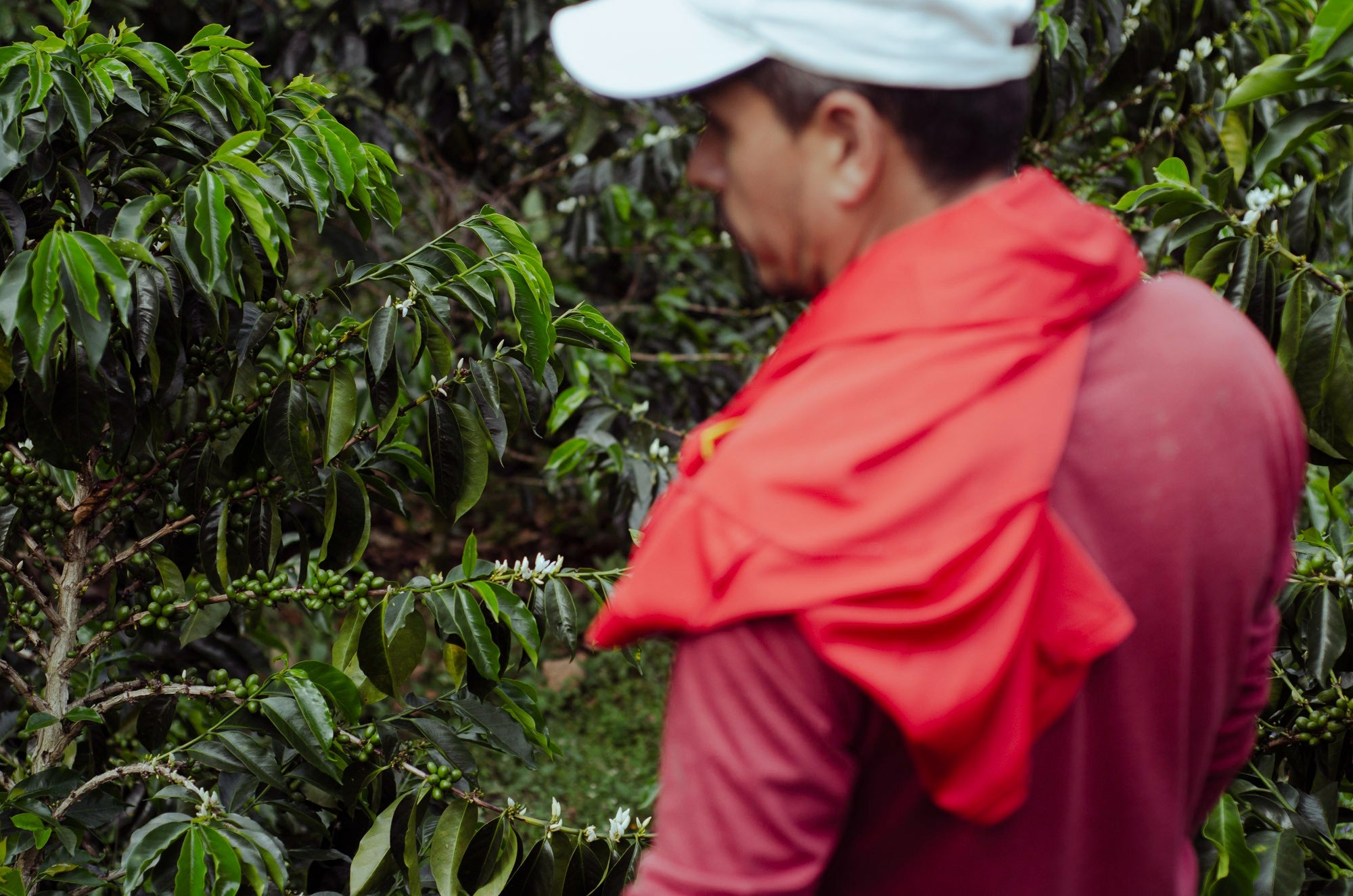
Colombia Yoiner Natural Rosado
$17.35
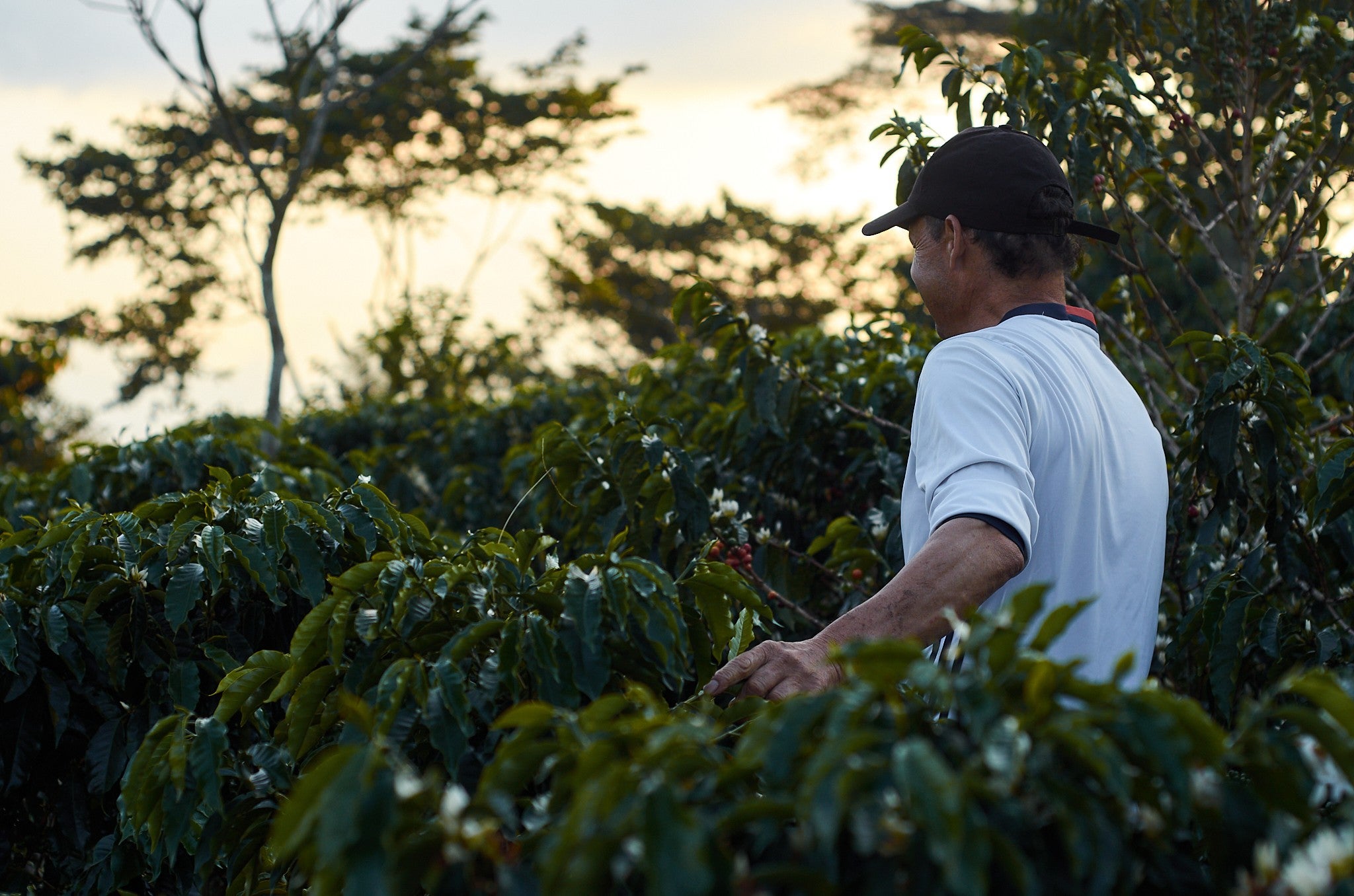
Colombia Camacho Fragancia
$17.35
Colombia Campo Hermoso Edwin Noreña Carbonic Natural Raspberry Co-Ferment
$14.85
Colombia Santa Monica Extended Fermentation Gesha Natural
$17.35

Ethiopia Bekele Yutute Anaerobic Natural Sidama Gr1 COE
$22.85
Kenya Mara Estate Anaerobic Natural
$17.00