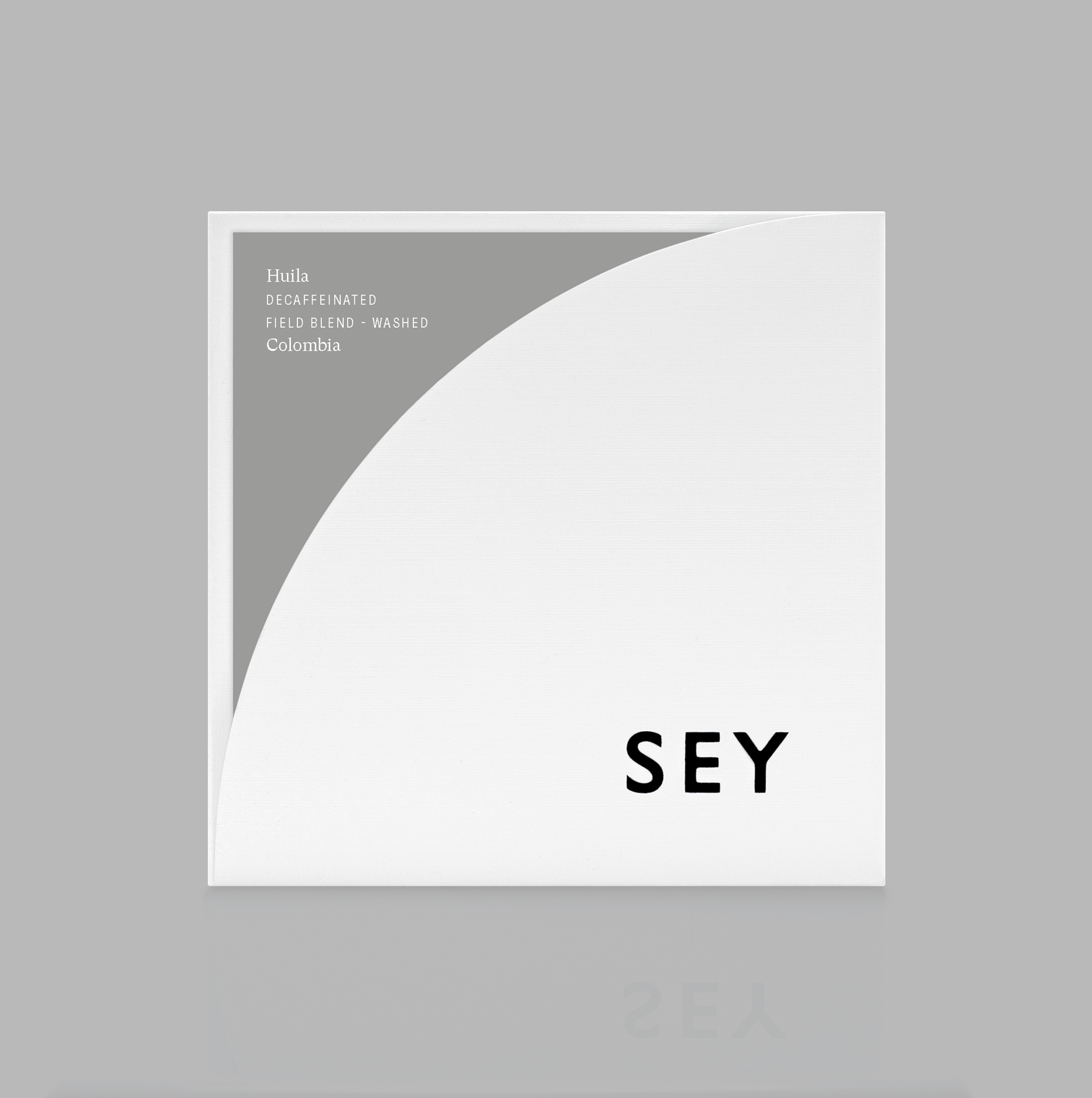
Decaf - Huila Decaffeinated
Roasted by SEY · Sold by CoolBeans
Decaf - Huila Decaffeinated is a Colombia, Washed, Field Blend coffee from SEY.
In stock since:


Decaf - Huila Decaffeinated
Roasted by SEY · Sold by CoolBeans
Decaf - Huila Decaffeinated is a Colombia, Washed, Field Blend coffee from SEY.
In stock since:
Similar coffees to this Colombia Washed Field Blend


Decaf Colombia Huila - Sugarcane Natural
huila, colombia Colombia, Caturra, Castillo
Color Roasters
$19.00


Sugarcane Decaf (Colombia)
Colombia Washed Castillo
Nostos Coffee
$26.40

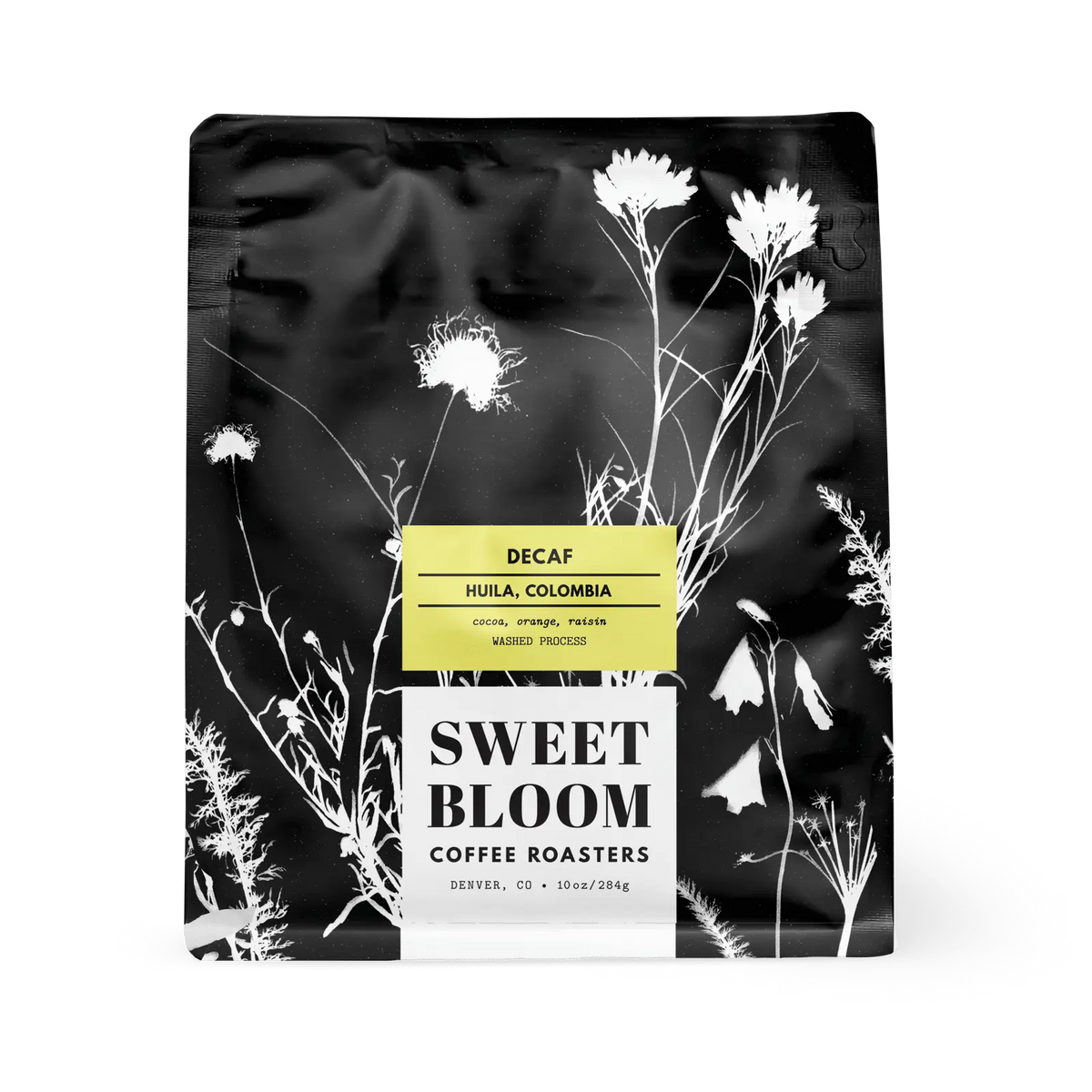
Colombia Huila Decaf
Colombia Natural Caturra
Detour Coffee Roasters
$15.80

Colombia | EA Decaf
Colombia Sugarcane Castillo, Caturra, Colombia
Quills Coffee
$21.00

Huila Decaf
Huila, Colombia Sugar Cane Decaffeination Tabi, Castillo, Caturra
Amaya Coffee
$23.20

Decaf Cadefihuila, Colombia
Colombia, Huila Washed Castillo, Colombia, Caturra, Cenicafe
George Howell Coffee
$22.00


Description
SEY COFFEE is located in Brooklyn, United States From SEY This decaffeinated lot is a blend of harvests from a small group of producers in San Agustín, Huila. In the cup we find a sweet and balanced profile of orange marmalade, dark chocolate, and strawberry. ABOUT THIS FIELD BLEND This is a field blend of the three most commonly grown varieties in Colombia: Castillo, V. Colombia, and Caturra. Both Castillo and V. Colombia are Catimor hybrids, which give them high disease resistance. Caturra, on the other hand, is a natural mutation of Bourbon, and is very susceptible to disease. ABOUT SUGARCANE ETHYL ACETATE DECAFFEINATION This decaffeinated coffee was processed at Descafecol, a company based on the outskirts of the town of Manizales, Colombia. The process for decaffeination begins with sugarcane grown a few hours south of Manizales. The sugarcane is processed into molasses, which is then fermented to create ethanol, and subsequently processed with acetic acid to create ethyl acetate. Green coffee is put into tanks and steamed to open up the coffee’s chemical structure and enable the extraction of the caffeine molecules. The steamed coffee is then soaked in ethyl acetate solution multiple times, during which the caffeine molecules bond with the ethyl acetate and are ultimately removed and washed away with the solution. This process removes a minimum of 97% of the caffeine. After the extraction process, the coffee is steamed once more to remove any remaining traces of the ethyl acetate solution, and then sent to dryers to bring the coffee back down to its original moisture content.


